
Saudi Arabia’s crown prince must restore dignity to his country — by ending Yemen’s cruel war
Saudi Arabia must face the damage from the past three-plus years of war in Yemen. The conflict has soured the kingdom’s relations with the international community, affected regional security dynamics and harmed its reputation in the Islamic world. Saudi Arabia is in a unique position to simultaneously keep Iran out of Yemen and end the war on favorable terms if it change its role from warmaker to peacemaker. Saudi Arabia could use its clout and leverage within Western circles and empower international institutions and mechanisms to resolve the conflict. However, the window for achieving a resolution to the conflict is rapidly closing.
The-U.N. sponsored Geneva peace talks that were scheduled to open last Thursday have practically collapsed, in part because Houthis rebels who control the capitol (and most of western Yemen) were afraid their return would be halted due to Saudi Arabia’s control of Yemen’s airspace. The Saudis could provide their enemy and the U.N. officials with travel support — or perhaps they could even offer them a Saudi plane. Even better, Saudi Arabia could announce a cease-fire and offer peace talks in the Saudi Arabian city of Taif, where previous peace talks with Yemenishave taken place.
Saudi Arabia’s actions in Yemen were driven by national security concerns due to Iranian involvement in the country. However, Saudi Arabia’s war efforts have not provided an extra layer of security but have rather increased the likelihood of domestic casualties and damage. Saudi defense systems rely on the U.S.-made Patriot missile system. Saudi Arabia has been successful in preventing Houthi missiles from causing substantial damage. Yet, the inability of Saudi authorities in preventing Houthi missiles from being fired in the first place serves as an embarrassing reminder that the kingdom’s leadership is unable to restrain their Iranian-backed opponent.
Each missile fired by Houthi forces poses both a political and financial burden on the kingdom. The cost of an Iranian missile supplied to the Houthis is uncertain, but one can speculate that each missile does not compare to the cost of a $3 million Patriot missile.
Unexpected costs associated with the conflict in Yemen means Saudi Arabia has increasingly been borrowing funds in international markets without clearly saying what the funds are for. The kingdom has reportedly raised $11 billion in a loan from international banks.
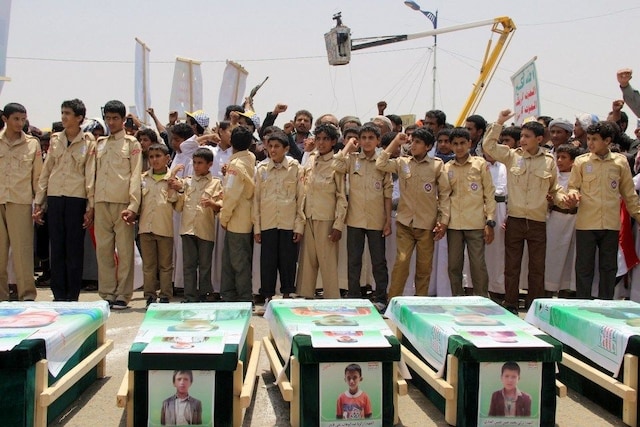
Furthermore, the political costs associated with the loss of innocent life cannot be tabulated. Lapses in Saudi intel led to the deployment of a bomb to target a bus suspected of carrying Houthi forces. Instead, the missile struck a school bus carrying children. The kingdom cannot afford to have an open war zone at its southern border, the confidence of international markets and the moral high ground.
Mistakes and risks associated with long-term conflict diminish Saudi standing internationally and increase the chances of a confrontation with traditional allies. Defense Secretary Jim Mattis recently stated, “We support our partner Saudi Arabia’s right to self-defense.” The Saudi media ran Mattis’s statement and quoted him with great enthusiasm but selectively omitted the portion that stated American support was “not unconditional” and that he urged Saudi authorities to “do everything humanly possible to avoid any innocent loss of life.”
Mattis’s remarks should serve as a reality check to Saudi Crown Prince Mohammed bin Salman. Saudi Arabia is defined and represented by its Islamic stature. We should not need to be reminded of the value of human life. Muslims around the world deserve to see birthplace of Islam represent the ethics of Islam.
Saudi Arabia does not deserve to be compared to Syria, whose leader seemingly did not hesitate to use chemical weapons against his people. But further continuation of the war in Yemen will validate voices saying that Saudi Arabia is doing in Yemen what Syrian President Bashar al-Assad, the Russians and Iranians are doing in Syria. Even the south of Yemen that has been “liberated,” protesters are currently staging a civil disobedience campaign, chanting slogans against the Saudi-led coalition, which is seen as the actual power on the ground, rather than Yemen’s exiled government.
Peace talks will provide Saudi Arabia with a golden opportunity. Riyadh will almost certainly find international support if it enters into a cease-fire as negotiations take place. It must utilize its global clout and incorporate international institutions and allies to financially pressure Tehran to stand down in Yemen. The Saudi Arabian crown prince must also accept that the Houthis, the Islah (Sunni Islamists) and the southern separatists should play a future role in the governance of Yemen. Obviously, Riyadh will not get all of what it wants and would leave Yemenis to sort out their differences with their fellow Houthis in a National Congress — instead of on bloody battlefields.
The longer this cruel war lasts in Yemen, the more permanent the damage will be. The people of Yemen will be busy fighting poverty, cholera and water scarcity and rebuilding their country. The crown prince must bring an end to the violence and restore the dignity of the birthplace of Islam.
ترجمة المقال
نشرت صحيفة “واشنطن بوست” مقالا للكاتب السعودي جمال خاشقجي، يقول فيه إنه ينبغي على ولي العهد السعودي محمد بن سلمان إعادة الكرامة لبلاده.
ويقول خاشقجي في مقاله، الذي جاء تحت عنوان “على ولي العهد السعودي إعادة كرامة بلاده بإنهاء الحرب الوحشية في اليمن”، إن الحرب في اليمن أثرت على علاقة المملكة بالمجتمع الدولي، وعلى الأمن الإقليمي، وأضرت بعلاقات السعودية مع العالم الإسلامي.
ويضيف الكاتب في المقال ، أن السعودية في موضع جيد يعطيها القدرة على منع إيران، وإنهاء الحرب، بشروط محبذة لها، لكن من خلال تحولها من صانعة حرب إلى صانعة سلام، مشيرا إلى أن على السعودية استخدام نفوذها في الدوائر الغربية، وتقوية المؤسسات الدولية والآليات لحل النزاع، مع أن “نافذة حل النزاع تتقلص يوما بعد يوم”.
ويرى خاشقجي أنه “بدلا من انهيار محادثات السلام التي نظمها المبعوث الدولي لليمن في جنيف يوم الخميس؛ بسبب عدم حضور المتمردين الحوثيين، وخشيتهم من منع السعوديين، الذين يسيطرون على المجال الجوي في اليمن، عودتهم، فإن الرياض كانت قادرة على منح عدوها وممثلي الأمم المتحدة دعما للسفر، وربما طائرة سعودية، وأفضل من هذا كان يمكن للسعوديين الإعلان عن وقف إطلاق النار وبدء محادثات سلام في مدينة الطائف، حيث عقدت المحادثات اليمنية السابقة”.
ويذهب الكاتب إلى أن “الحرب السعودية في اليمن تدفعها مظاهر القلق على الأمن القومي من إيران، إلا أن الحرب لم تحسن الأمن، بل زادت من الخطر، وتعتمد السعودية على نظام باتريوت الأمريكي لاعتراض الصواريخ، وكانت ناجحة في منع الصواريخ الحوثية من التسبب بأضرار كبيرة، لكن عدم قدرة القيادة السعودية على منع أعدائها الذين تدعمهم إيران يمثل إحراجا لها”.
ويشير خاشقجي إلى أنه “في كل مرة كان يطلق فيها الحوثيون صاروخا فإن الكلفة المالية والسياسية تزيد على المملكة، ومع أننا لا نعلم كلفة الصاروخ الواحد الذي تزوده إيران للحوثيين، إلا أن الثمن لا يقارن بثلاثة ملايين لكل صاروخ باتريوت، ونظرا للكلفة غير المتوقعة المرتبطة بالنزاع، فإن السعودية أجبرت على الاقتراض من الأسواق المالية العالمية دون أن تحدد الهدف من الاقتراض، ويقال إن المملكة اقترضت 11 مليار دولار من البنوك الدولية”.
ويقول الكاتب إن “الثمن السياسي المرتبط بخسارة أرواح المدنيين لا يمكن إحصاء ثمنه، وتزيد الهفوات الكثيرة في المعلومات الاستخباراتية من الثمن، فقنبلة تحضر لضرب حافلة يشتبه أنها تحمل متمردين حوثيين، تضرب بدلا من ذلك حافلة مدرسية، ومن هنا فإن المملكة لا تستطيع تحمل حربا مفتوحة على حدودها الجنوبية، وفي الوقت ذاته ثقة الأسواق العالمية والموقف الاخلاقي العالي”.
ويجد خاشقجي أن الأخطاء والمخاطر المرتبطة بها قد تؤدي لمواجهة مع الحلفاء التقليديين، فقال وزير الدفاع الأمريكي جيمس ماتيس قبل فترة: “ندعم حق شريكتنا السعودية في الدفاع عن النفس”، لافتا إلى أن الصحافة السعودية نشرت ما قاله بحماس شديد، لكنها حذفت ما قاله وهو أن هذا الدعم “ليس دون شروط”، والجزء الذي دعا السعودية لـ”عمل ما يمكن عمله إنسانيا لتجنب سقوط الأبرياء”.
ويعلق الكاتب قائلا: “يجب أن تكون تصريحات ماتيس بمثابة التذكير لولي العهد السعودي الأمير محمد بن سلمان، فالسعودية معرفة وممثلة بموقعها في العالم الإسلامي، وهي ليست بحاجة لمن يذكرها بقيمة الحياة الإنسانية، والمسلمون حول العالم يريدون أن يرون مكان ولادة دينهم ممثلا للأخلاق الإسلامية”.
ويقول خاشقجي إن السعودية لا تستحق أن تقارن بسوريا، التي لا يتردد حاكمها في استخدام السلاح الكيماوي ضد شعبه، مستدركا بأن استمرار الحرب في اليمن سيؤكد الأصوات التي تقول إن السعودية تعمل في اليمن ما يفعله بشار الأسد والروس والإيرانيون في سوريا.
ويلفت الكاتب إلى أن السكان في الجنوب اليمني “المحرر”، أعلنوا عن عصيان مدني، وهتفوا بشعارات معادية للتحالف الذي تقوده السعودية، الذي ينظر إليه على أنه قوة على الأرض أكثر من الحكومة اليمنية.
ويعتقد خاشقجي أن “محادثات السلام ستمنح السعودية فرصة ذهبية لو أعلنت عن وقف إطلاق النار، وستحصل على دعم المجتمع الدولي لو ثبت وقف إطلاق النار، ويجب عليها استخدام نفوذها الدولي، وإشراك المؤسسات الدولية للضغط ماليا على إيران؛ لتوقف تدخلها في اليمن، ويجب على ولي العهد السعودي القبول بأن للحوثيين وحزب الإصلاح والانفصاليين دورا في مستقبل اليمن، وستترك السعودية اليمنيين لحل مشكلاتهم بدلا من حرب دموية”.
ويختم الكاتب مقاله بالقول إنه “كلما طال أمد هذه الحرب استمر الضرر، وسينشغل الشعب اليمني بمواجهة الفقر ومرض الكوليرا وشح المياه وإعادة بناء بلدهم، وعلى ولي العهد إنهاء الحرب في اليمن وإعادة الكرامة لمهد الإسلام”.