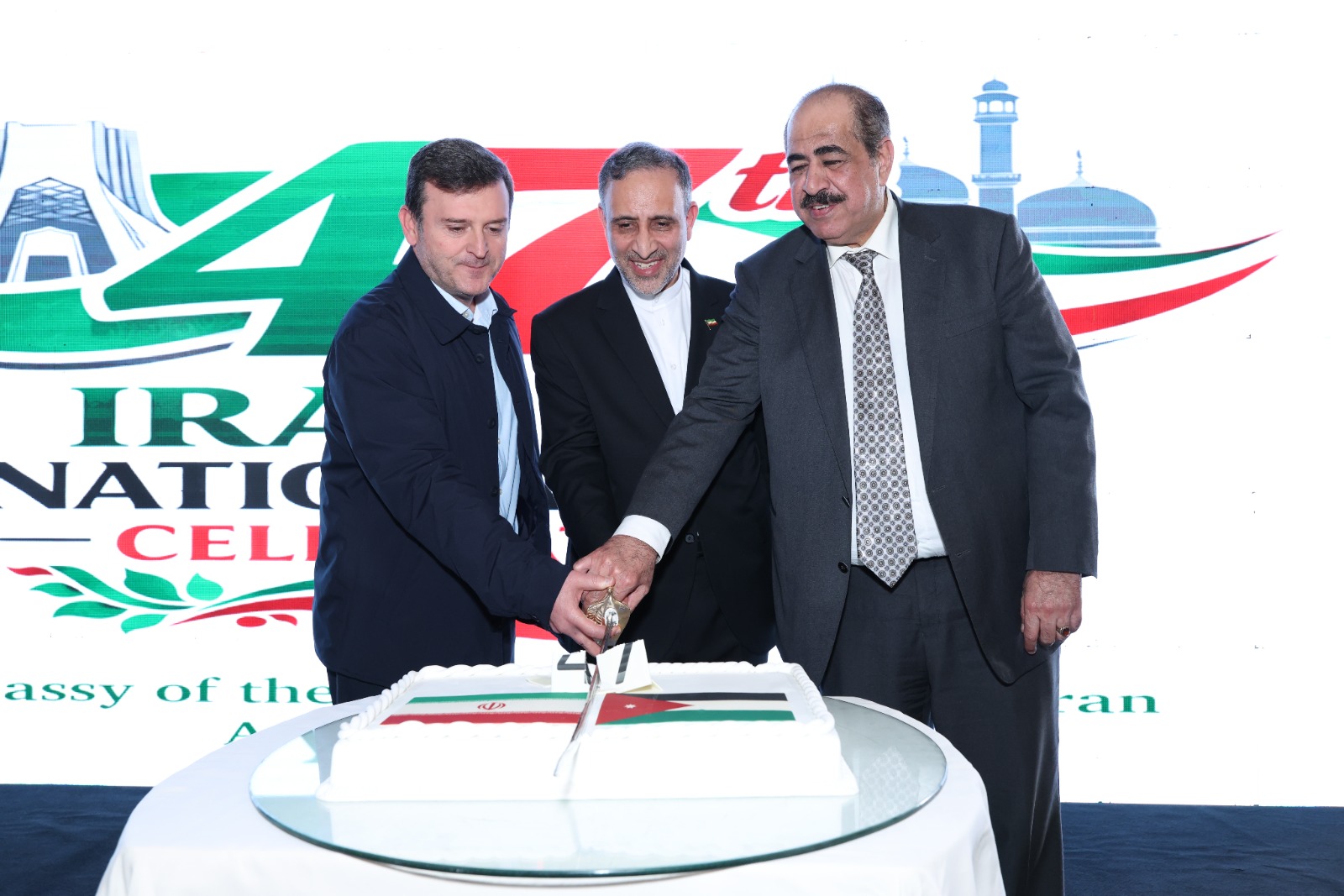
Embassy of the Islamic Republic of Iran in Amman Celebrates the 47th Anniversary of the Victory of the Islamic Revolution
Middle East News Network – Mohi Al-Din Ghanim:
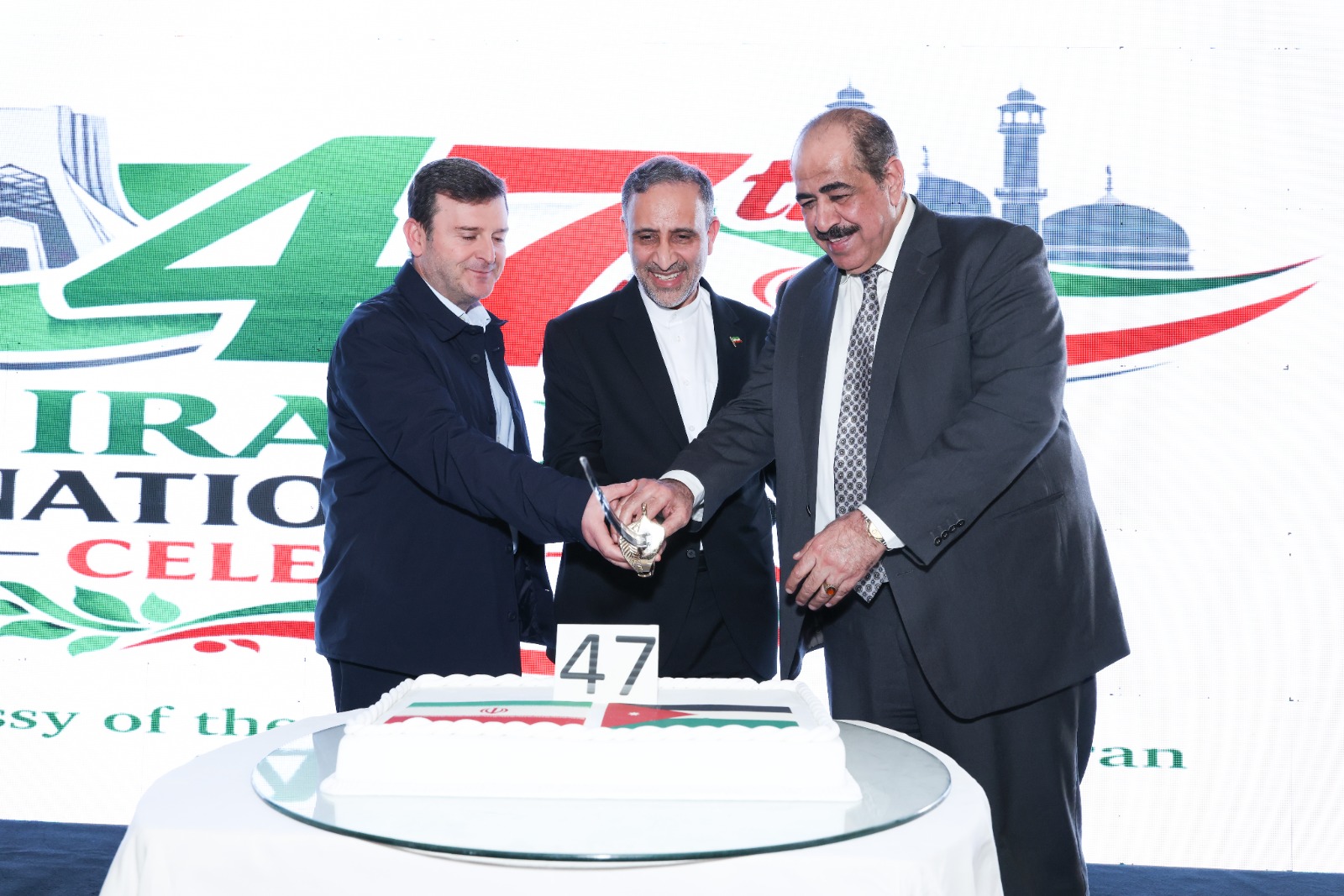
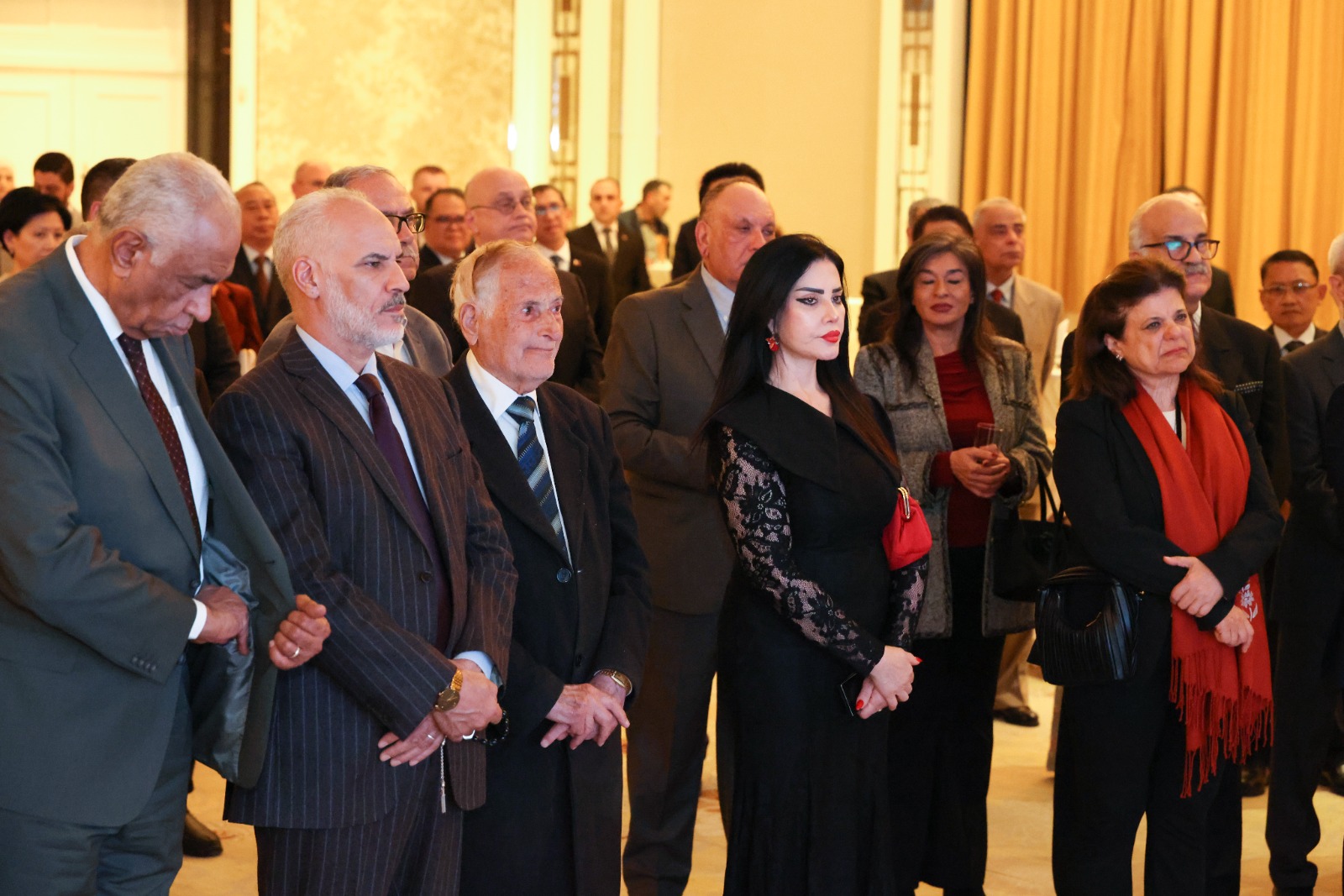
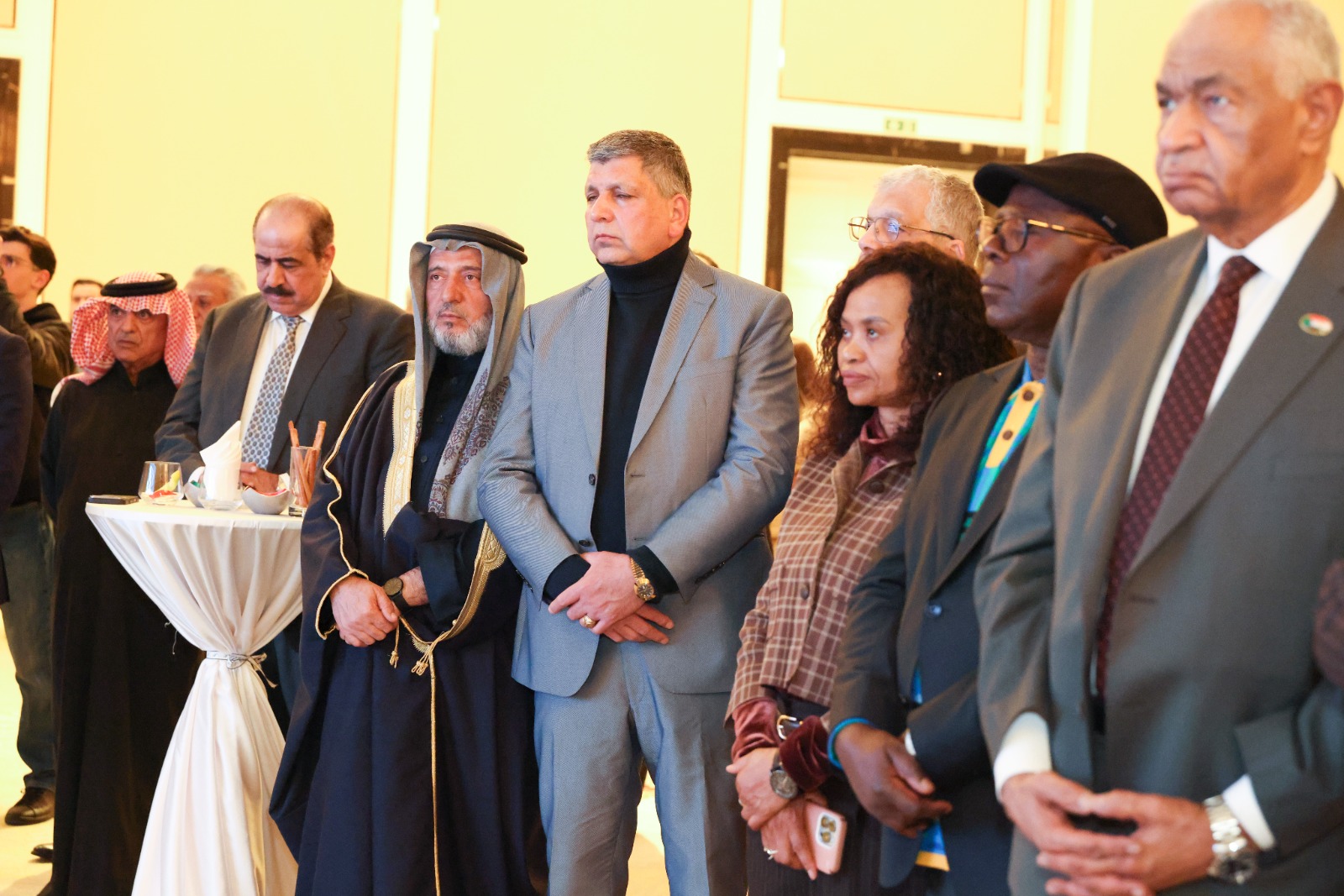
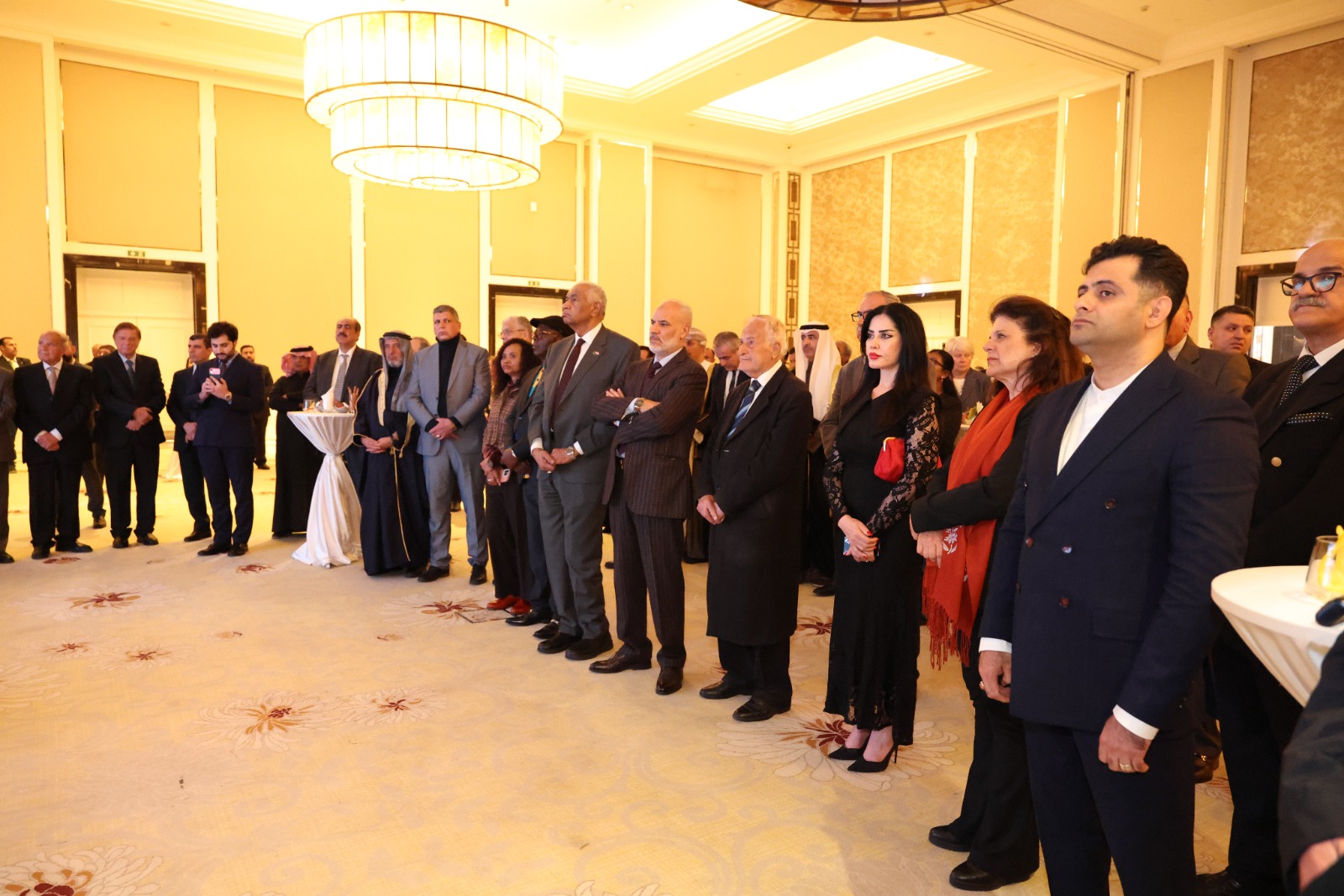
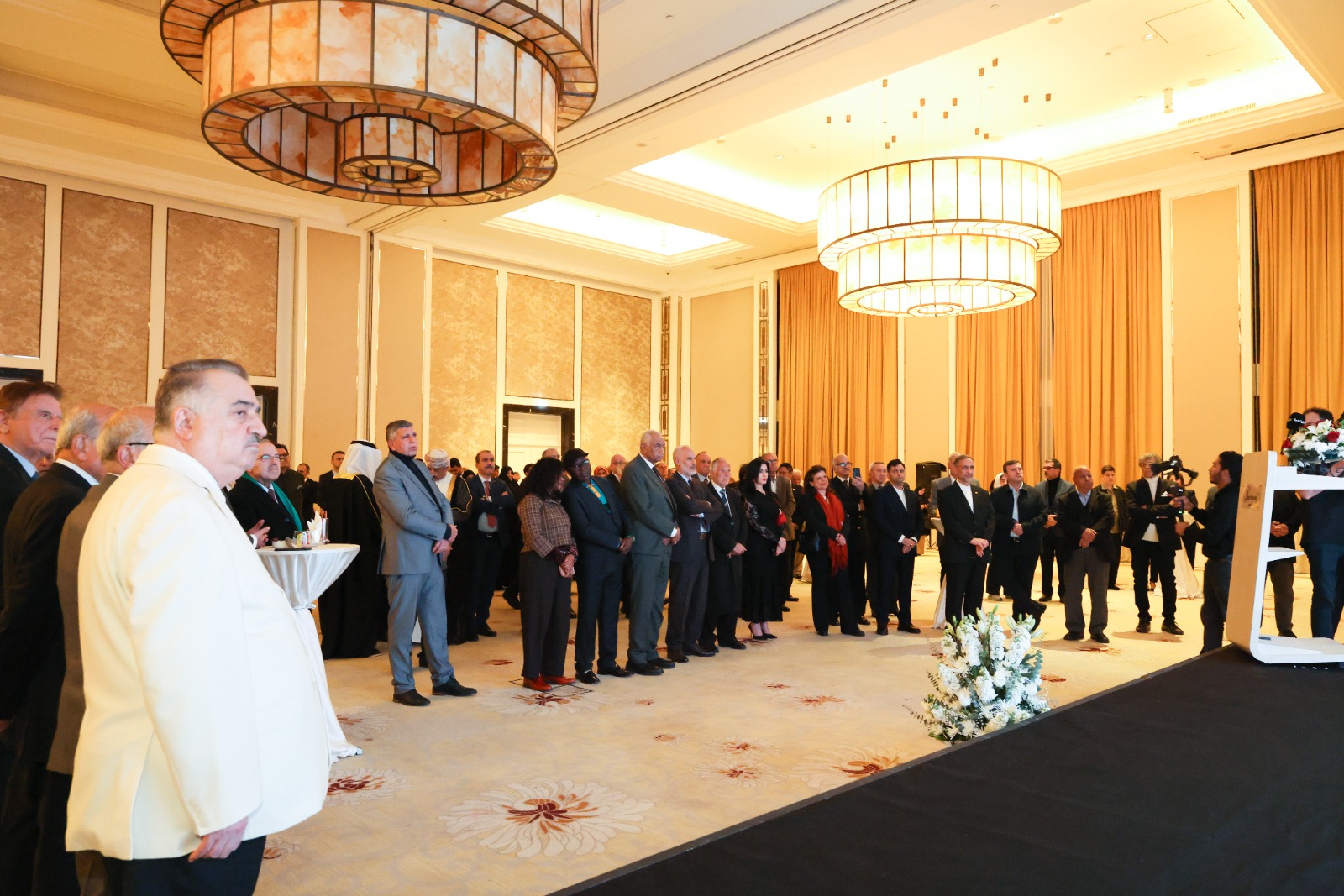
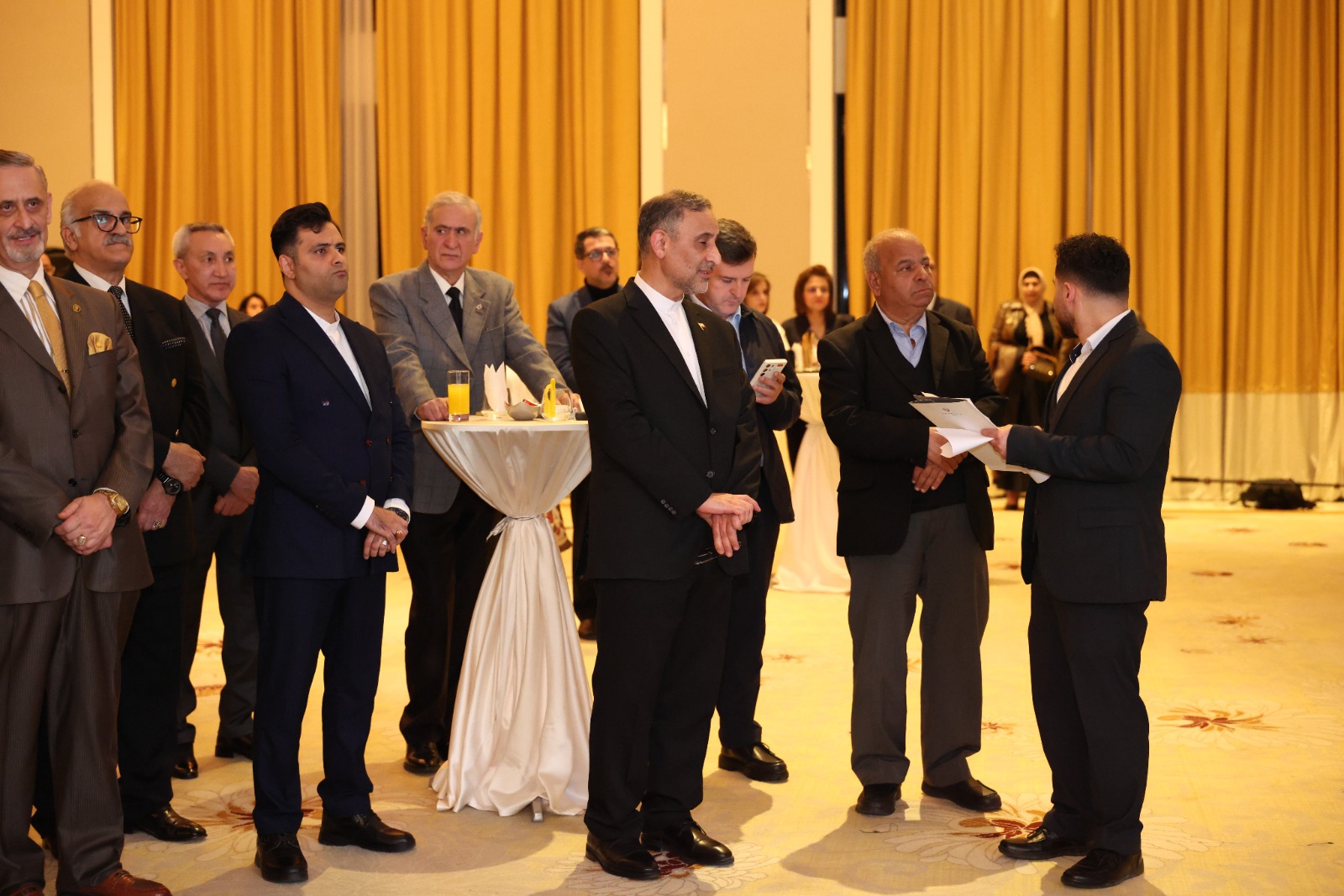
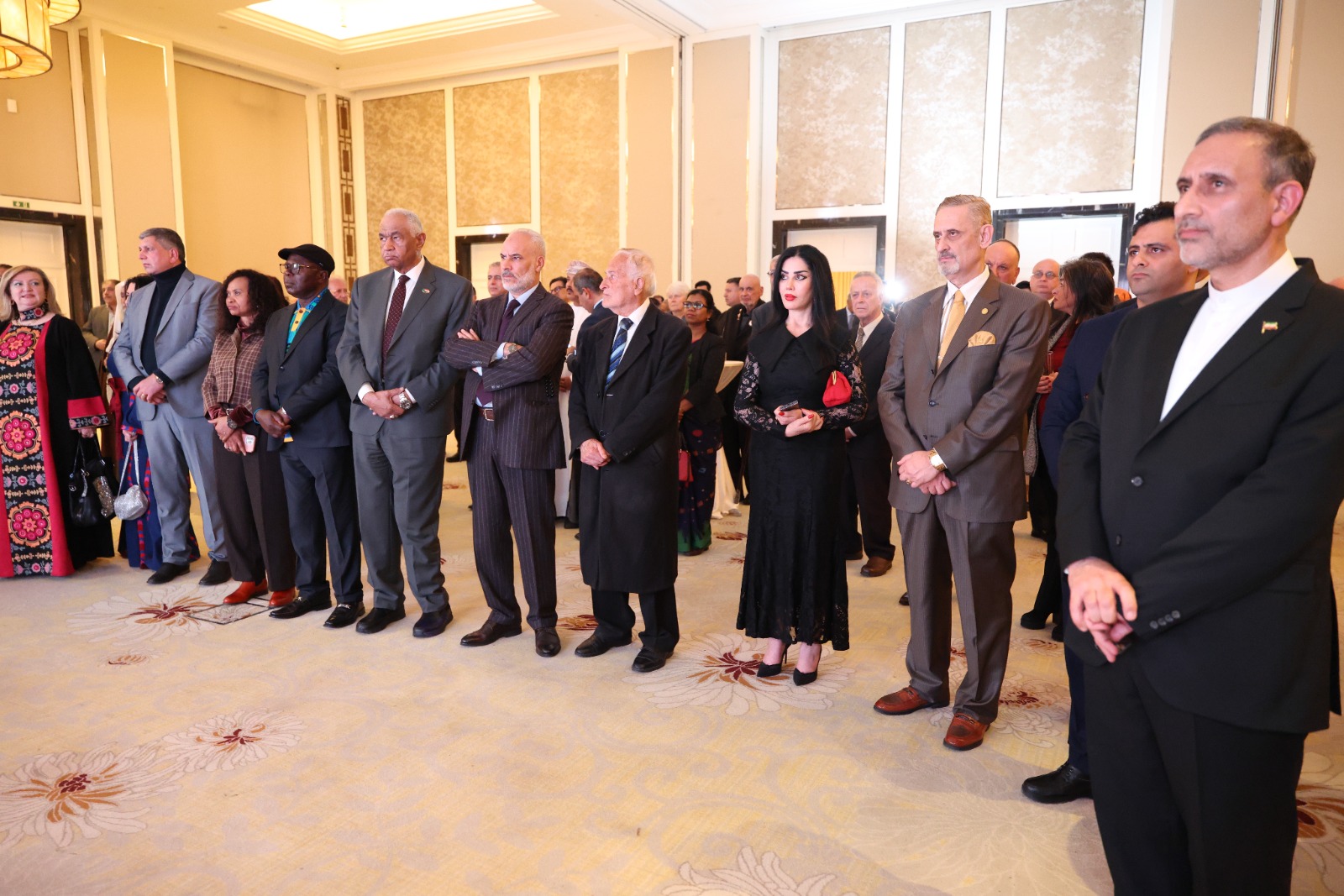
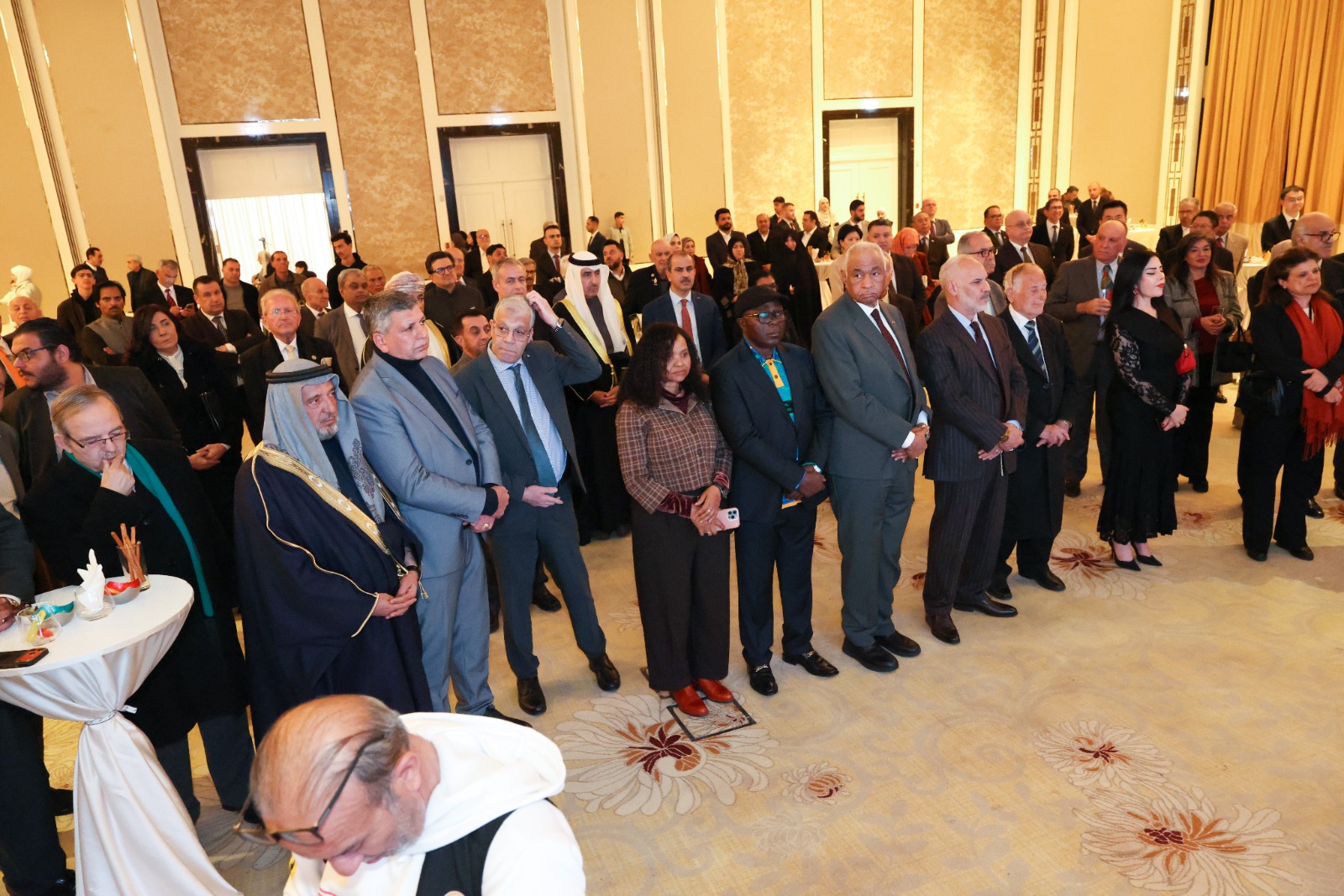
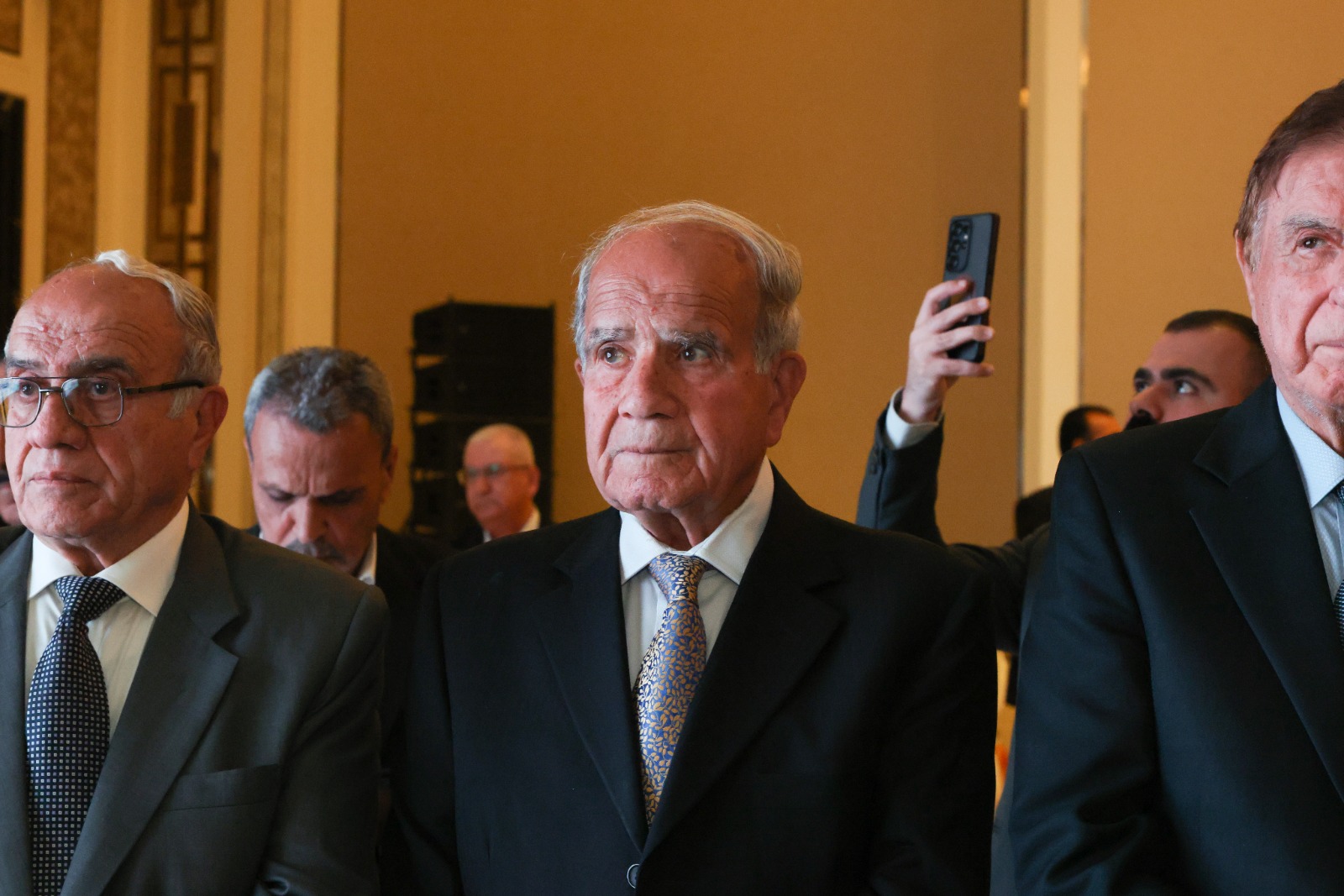
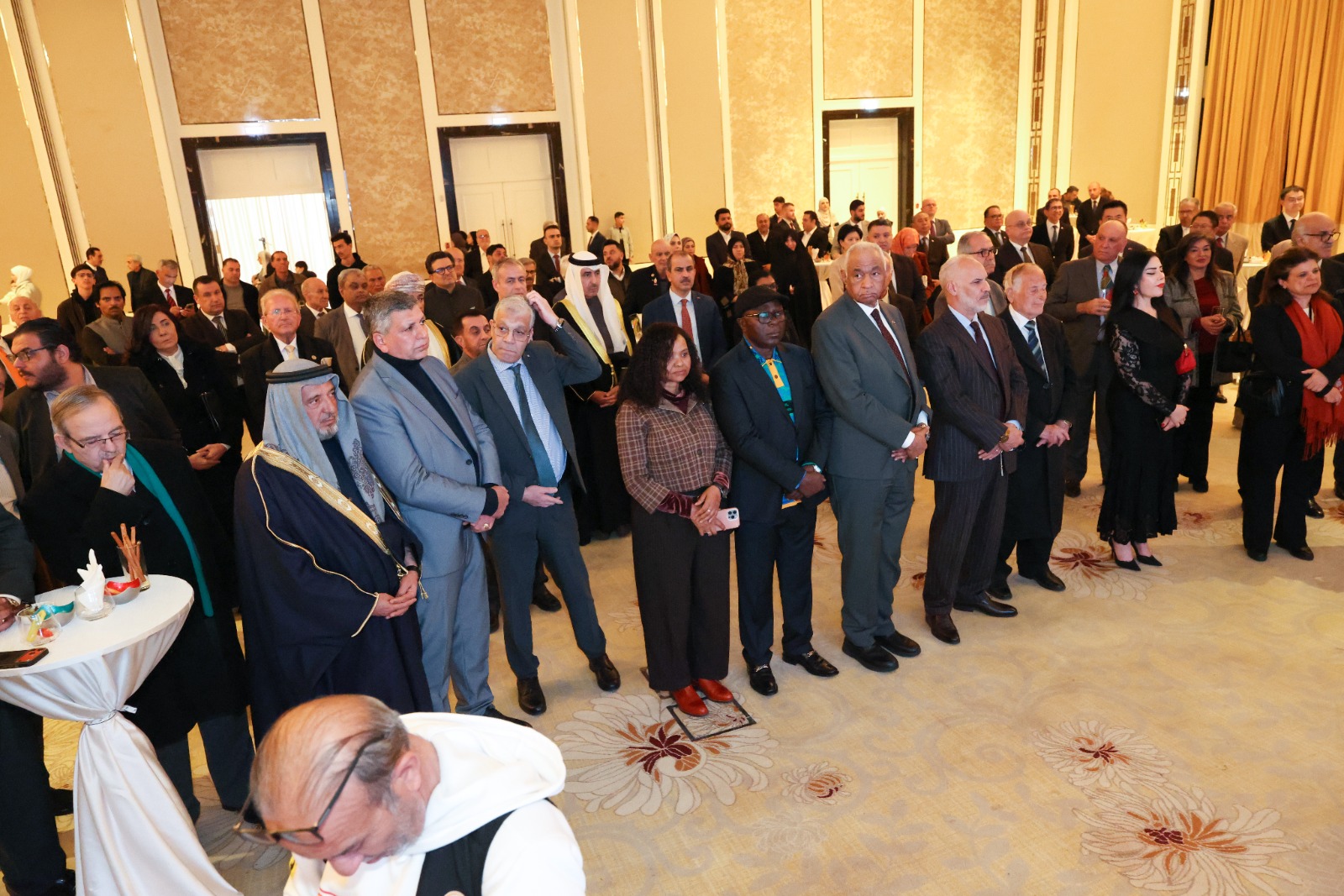
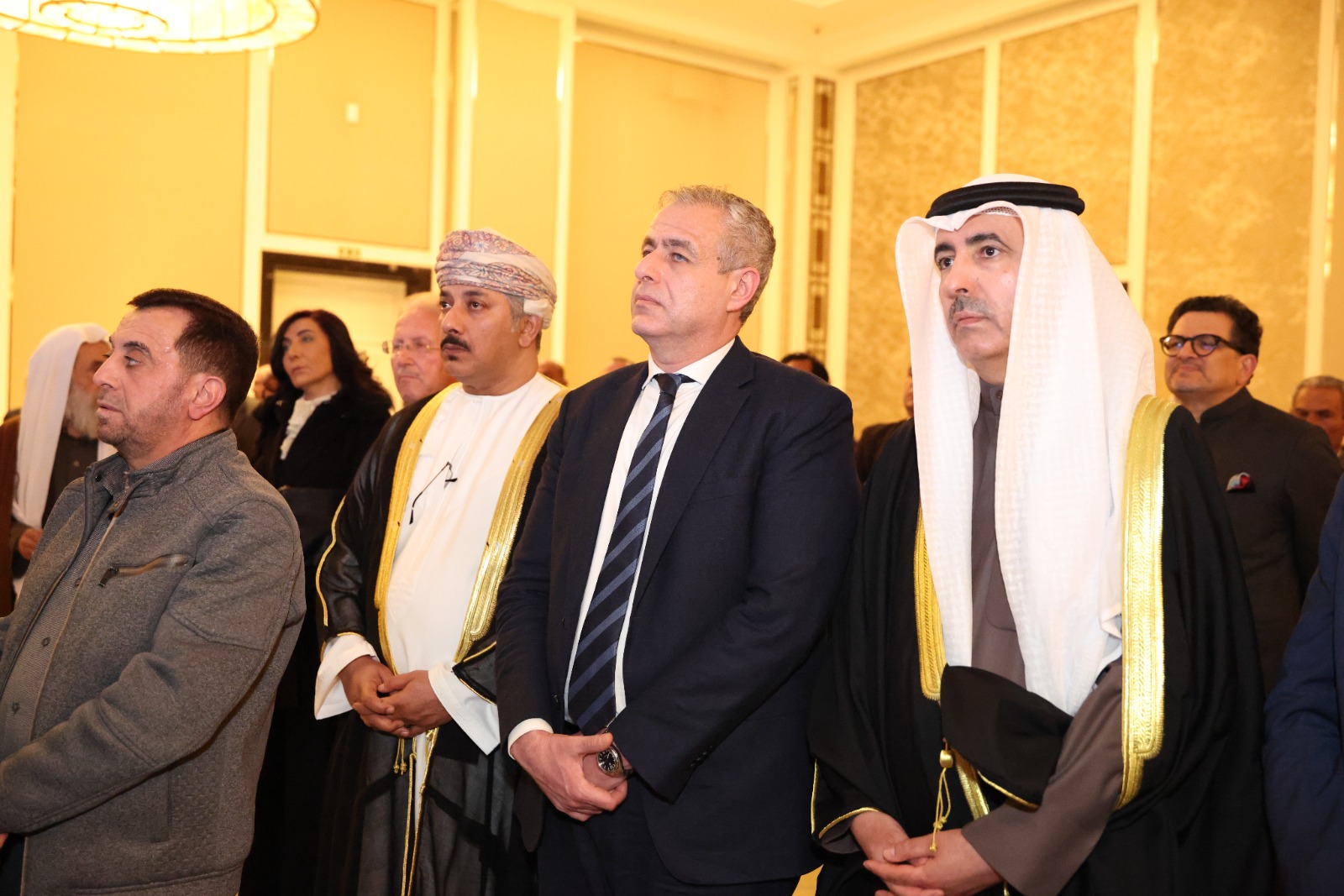
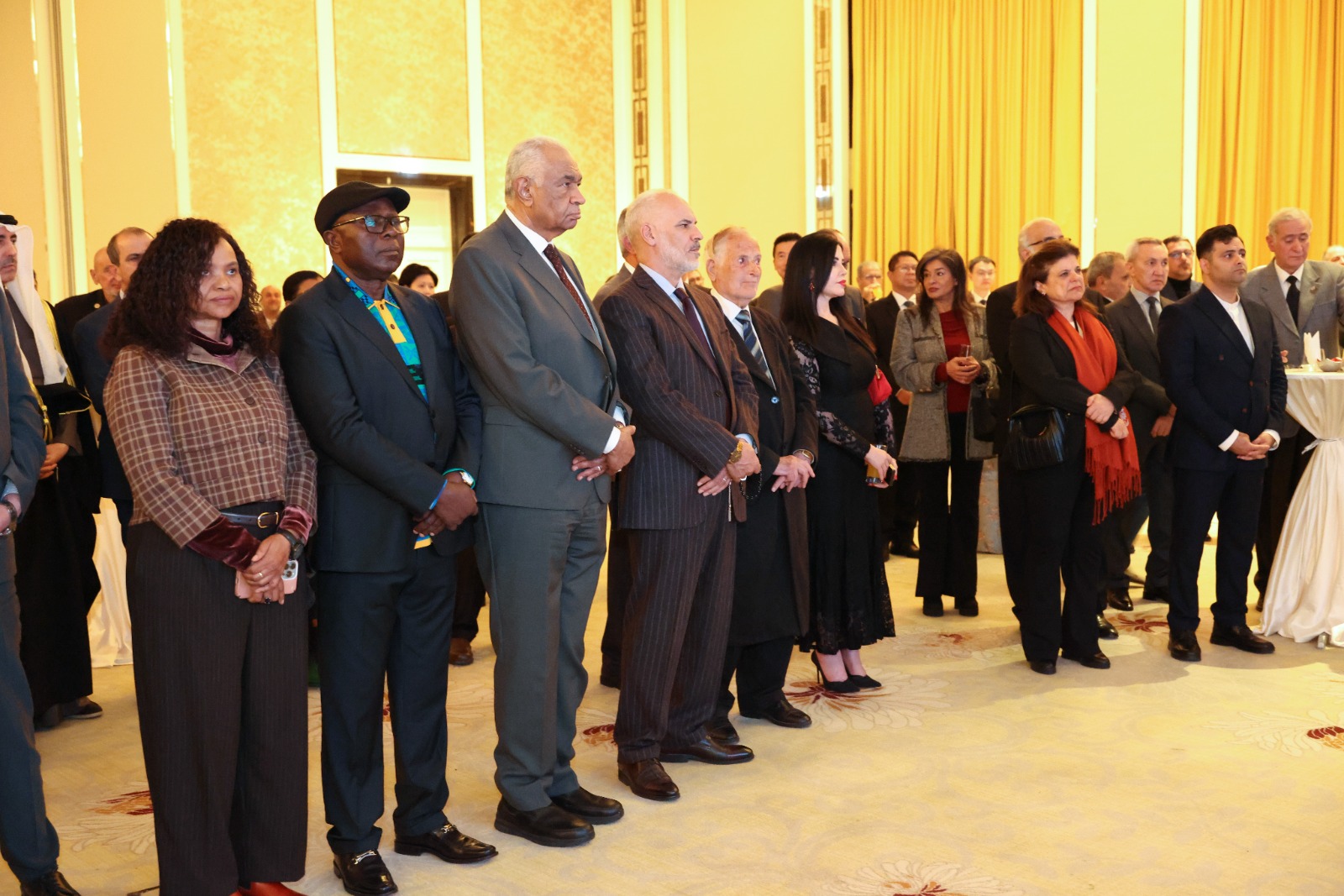
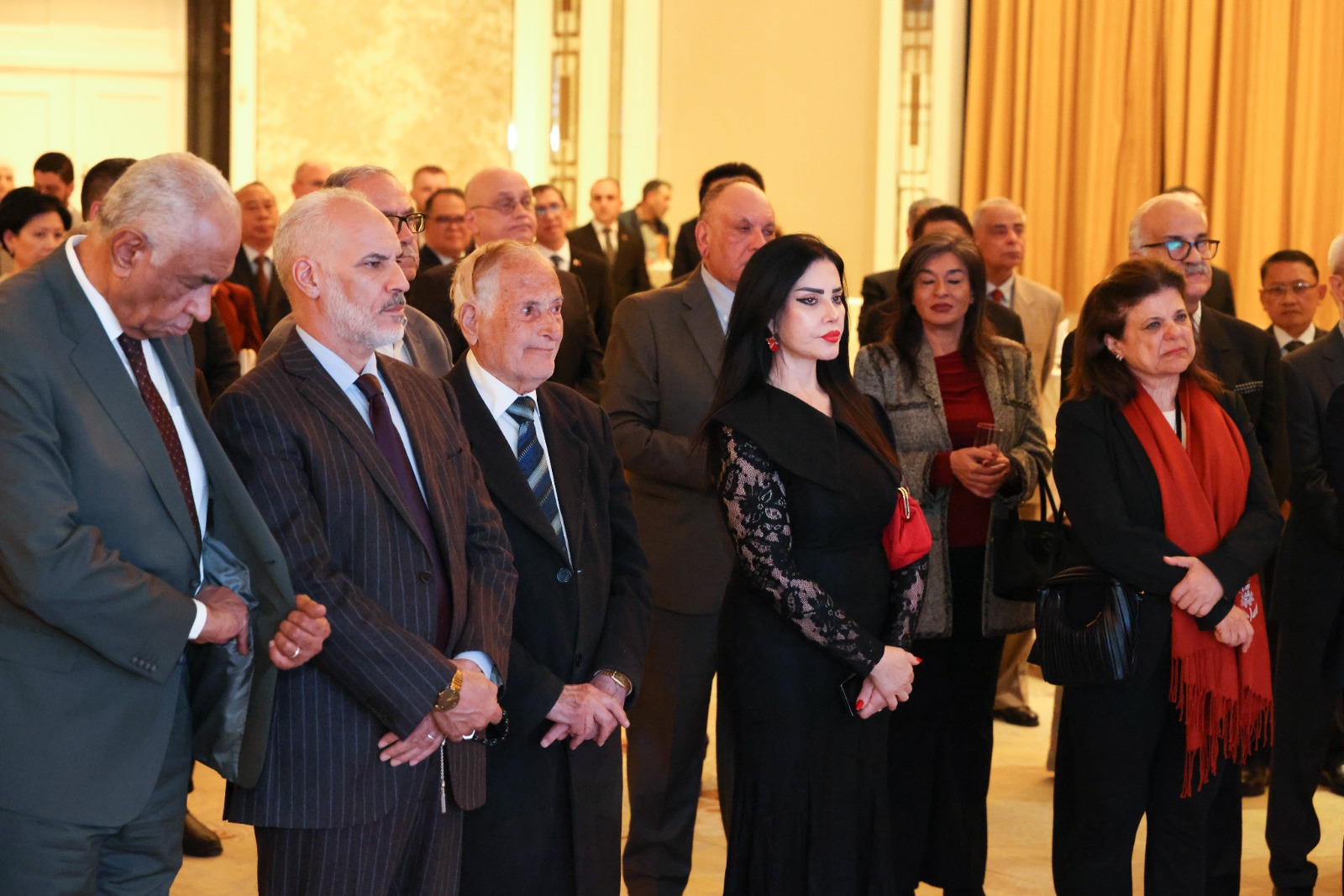
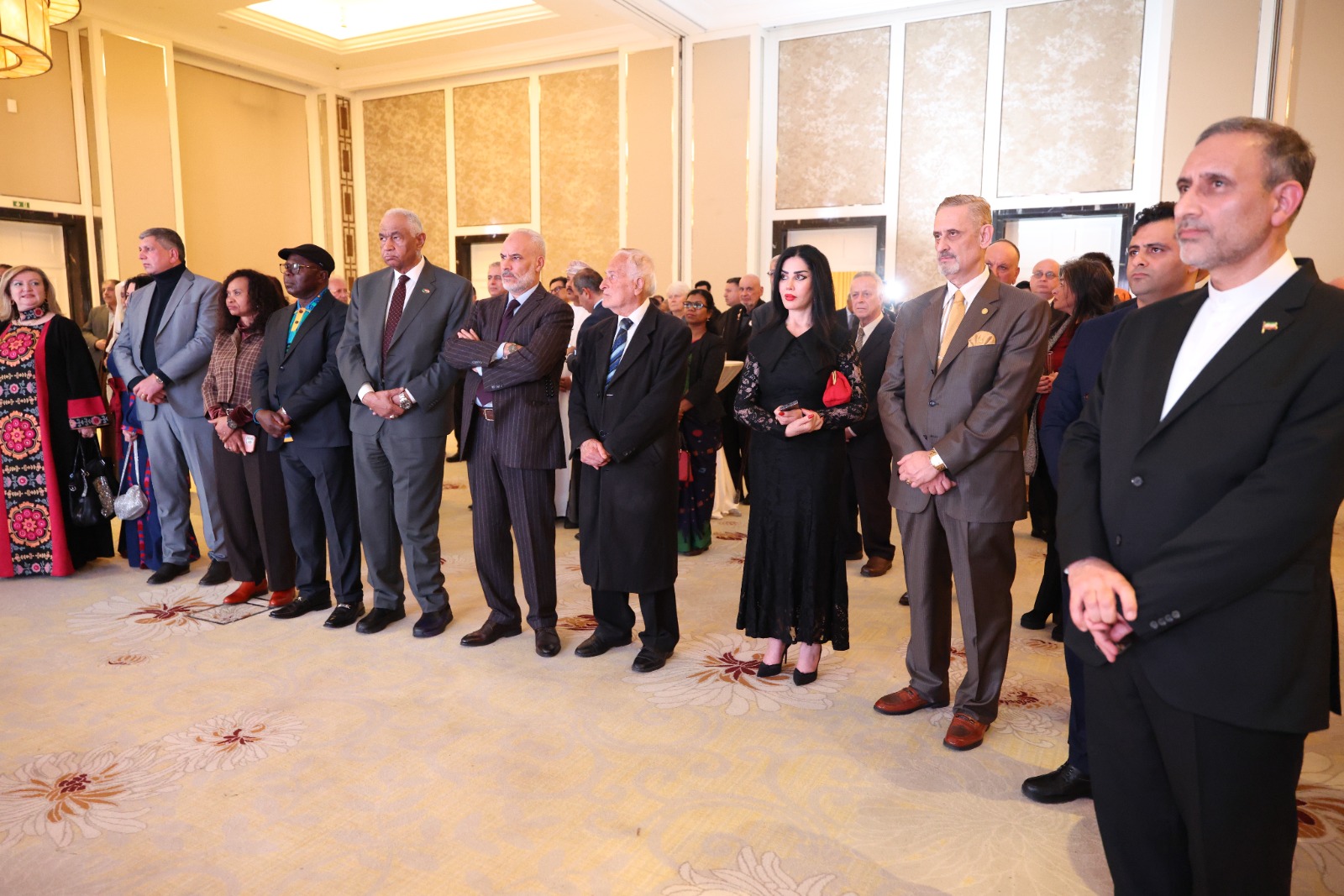
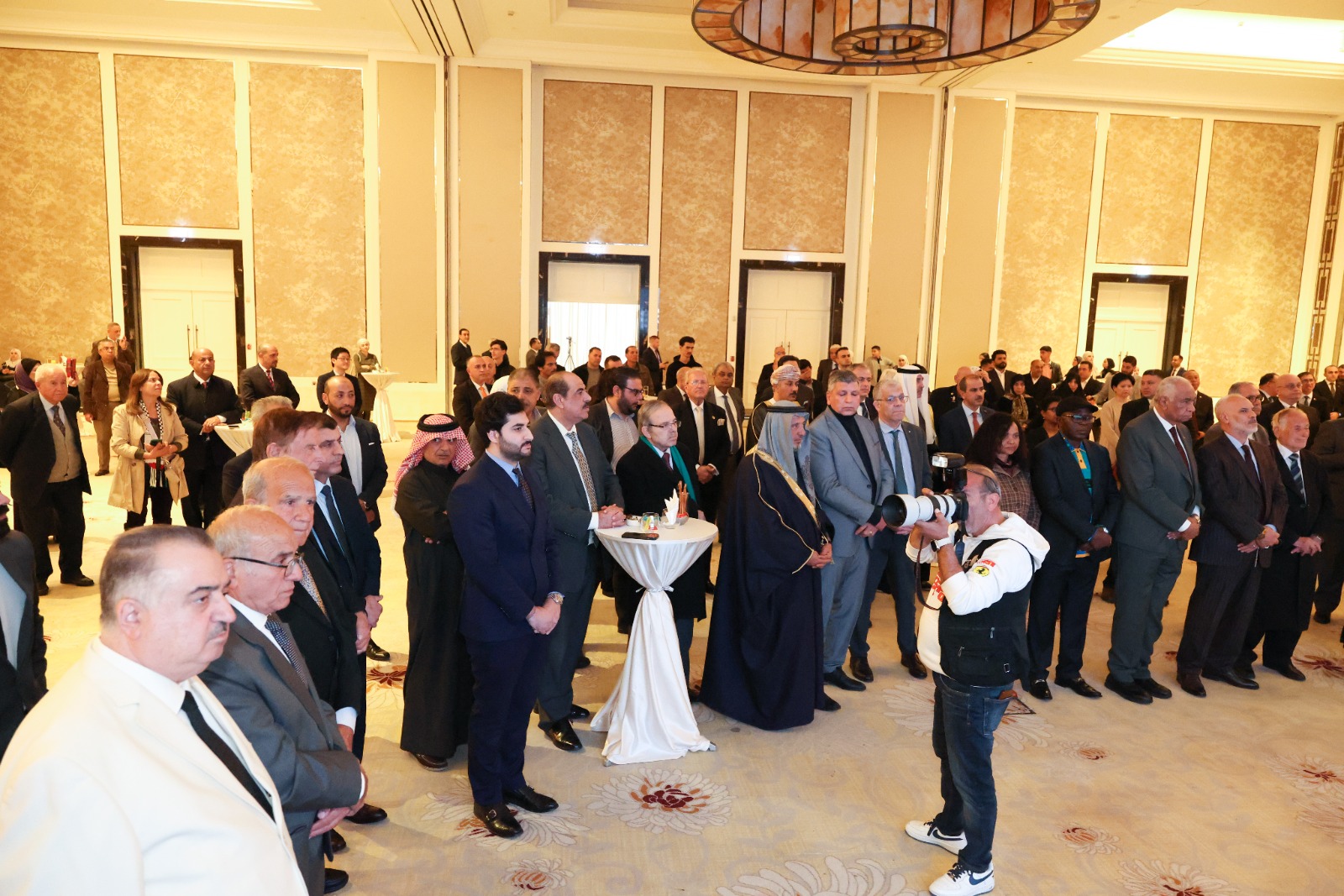
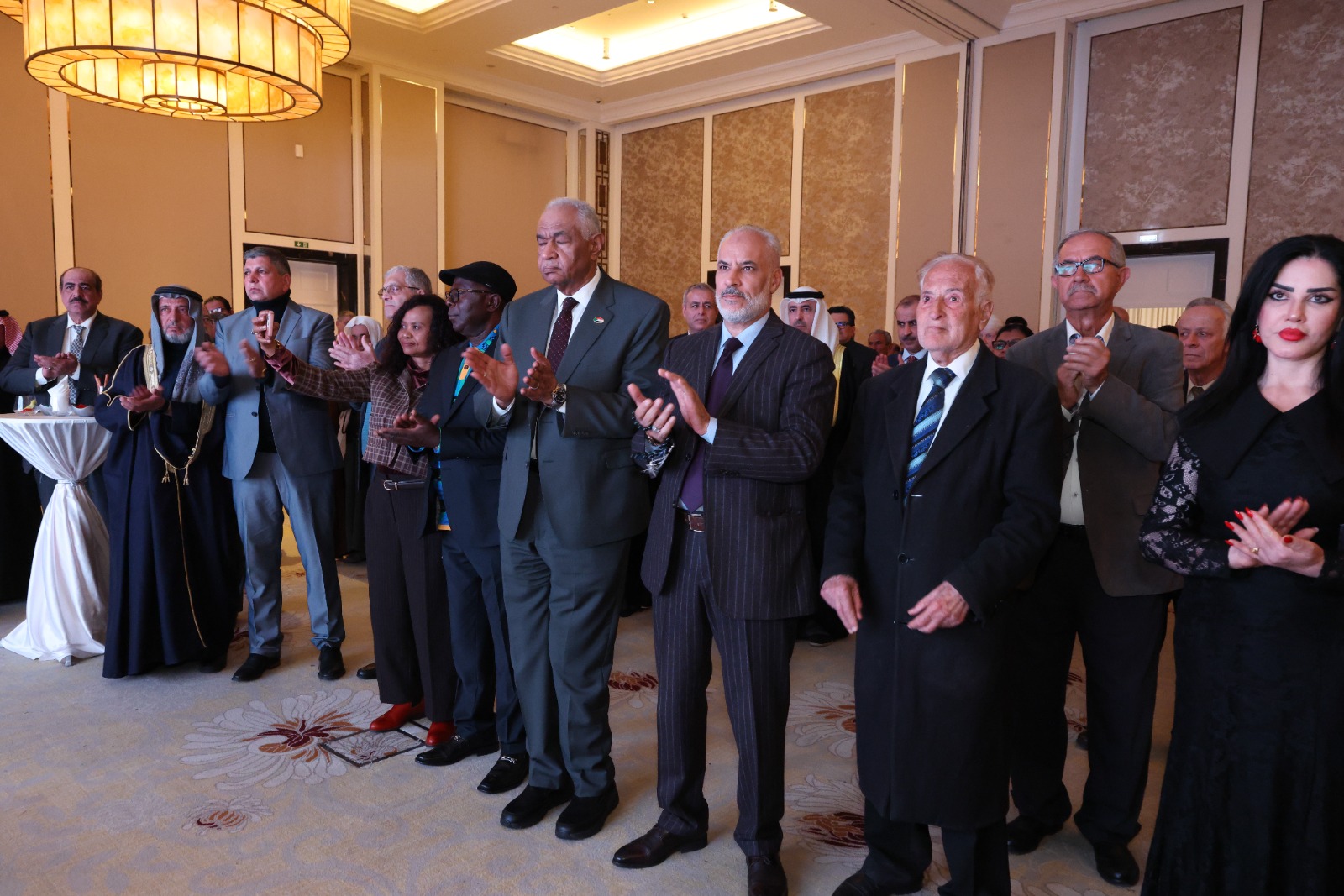
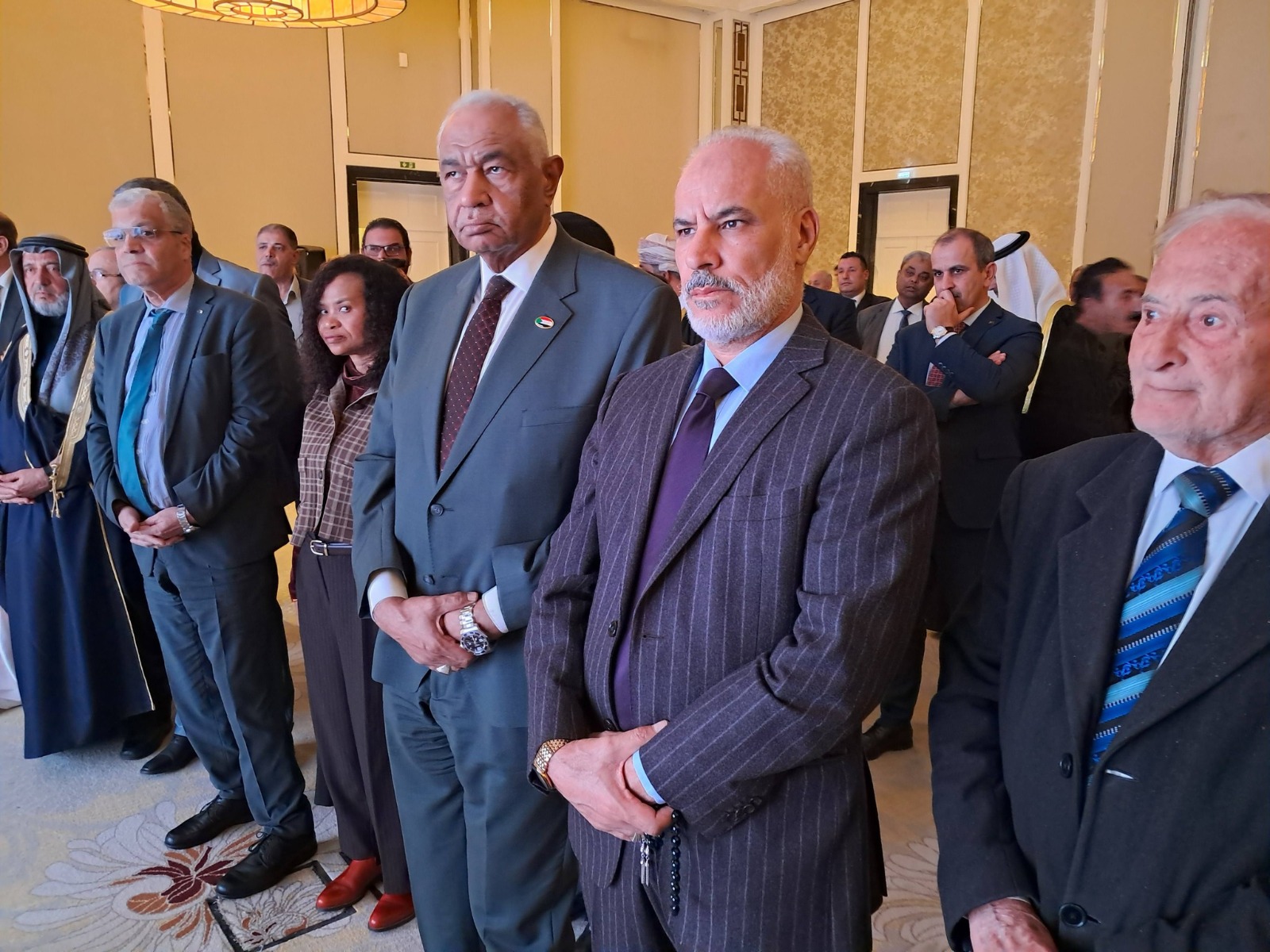
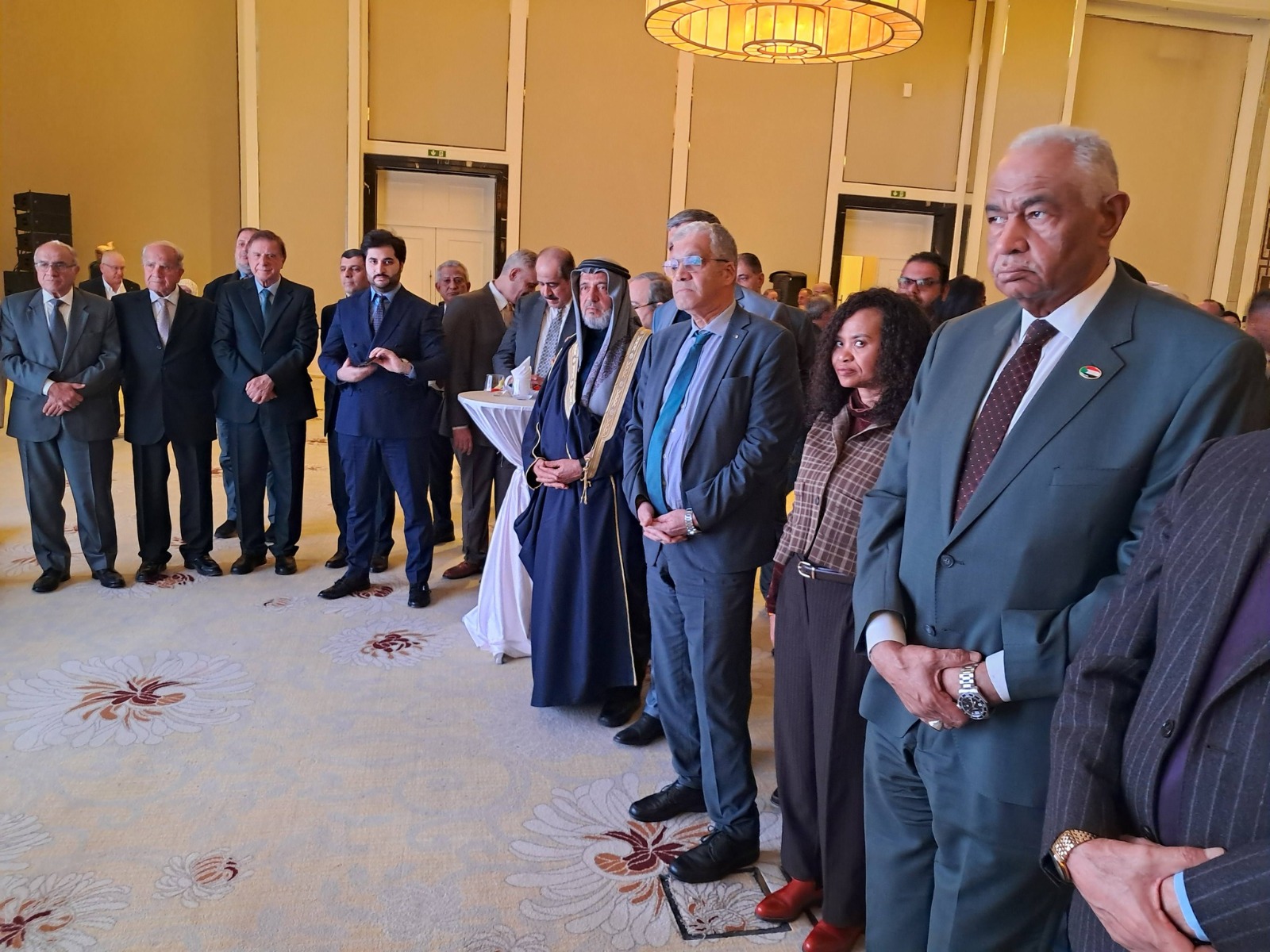
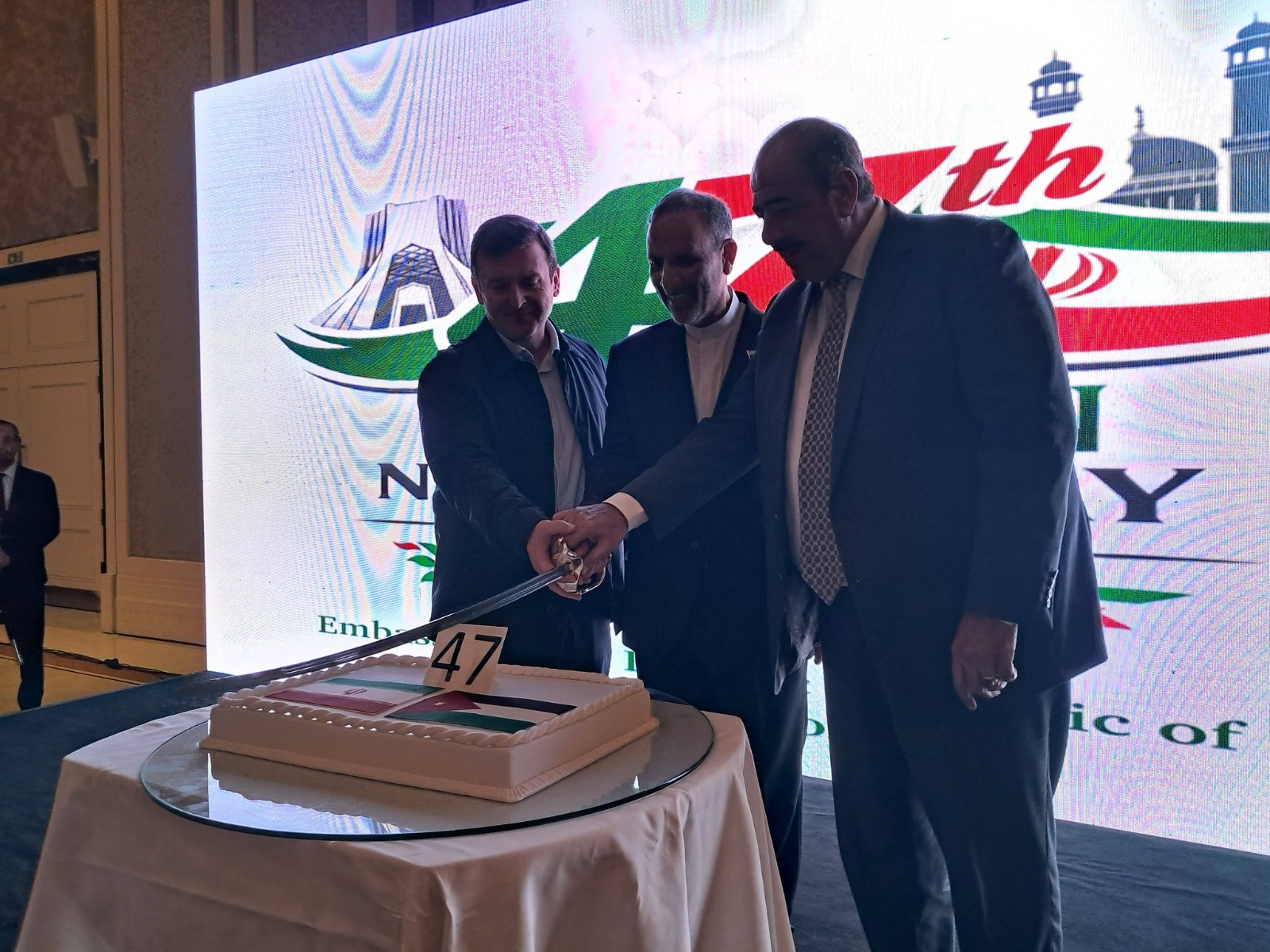
On Monday evening, the Embassy of the Islamic Republic of Iran in Amman hosted an official reception to mark the 47th anniversary of the victory of the Islamic Revolution. The event was attended by a representative of the Jordanian Ministry of Foreign Affairs, a number of former ministers, members of the Arab and foreign diplomatic corps accredited to the Hashemite Royal Court, as well as political, media, and cultural figures.
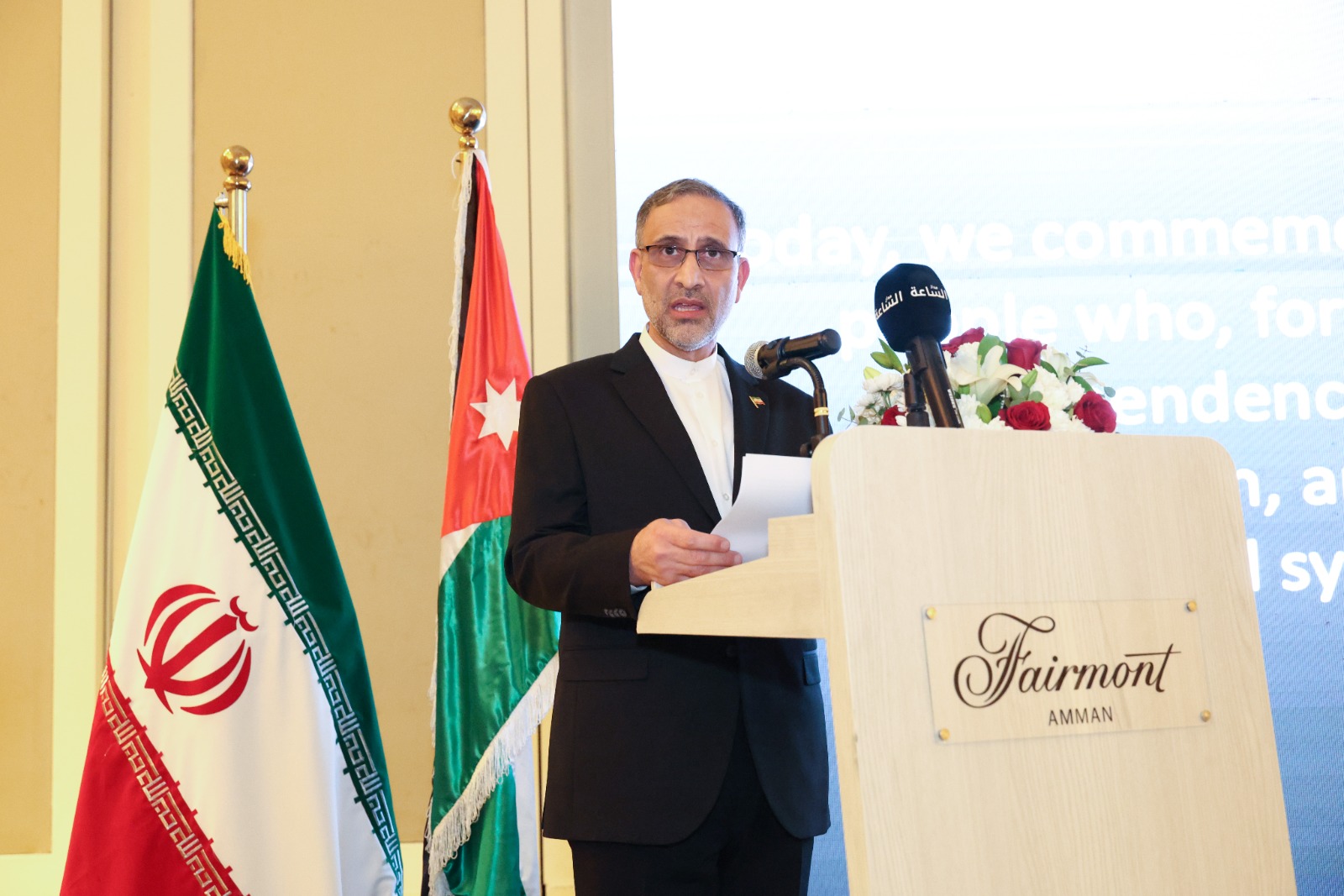
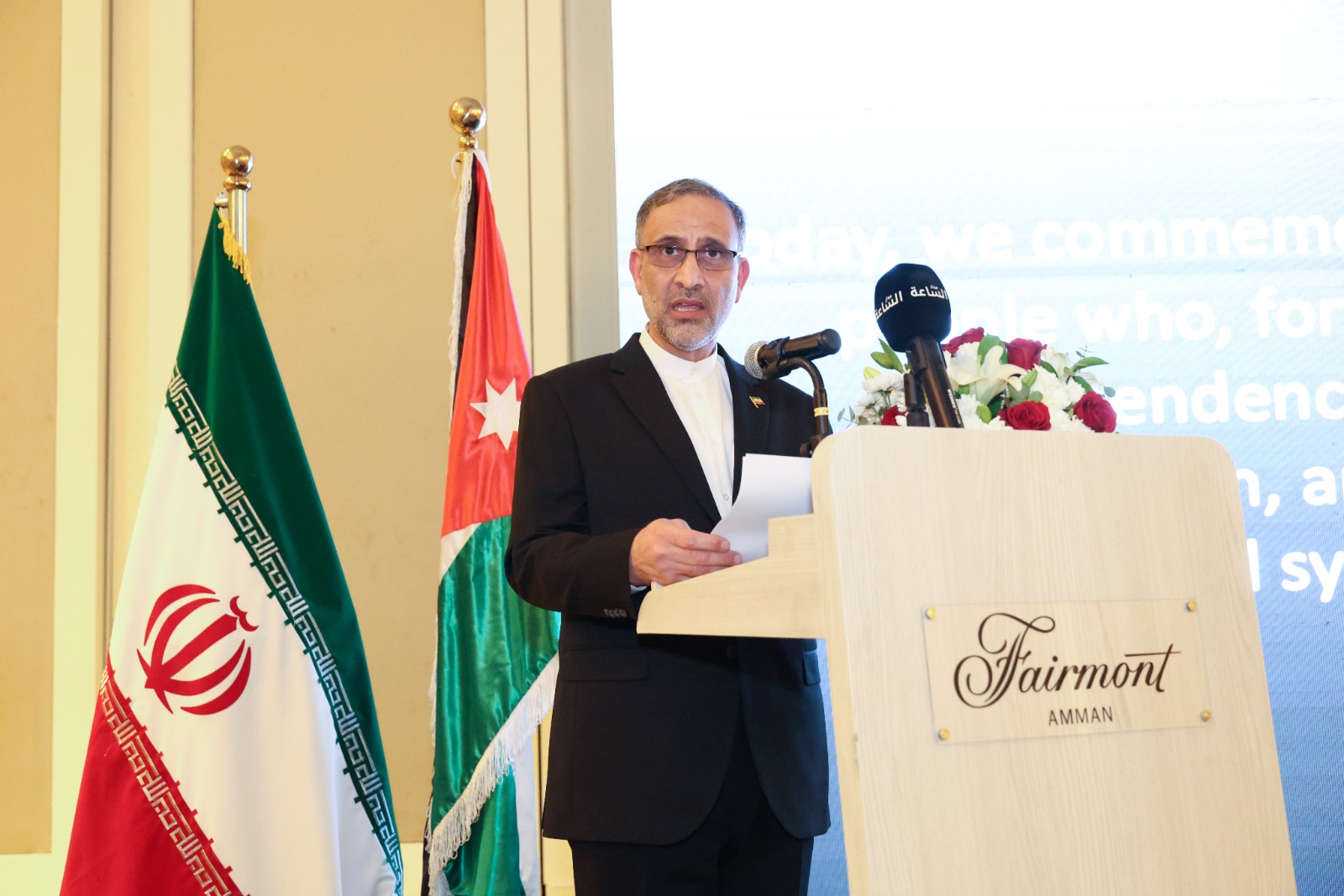
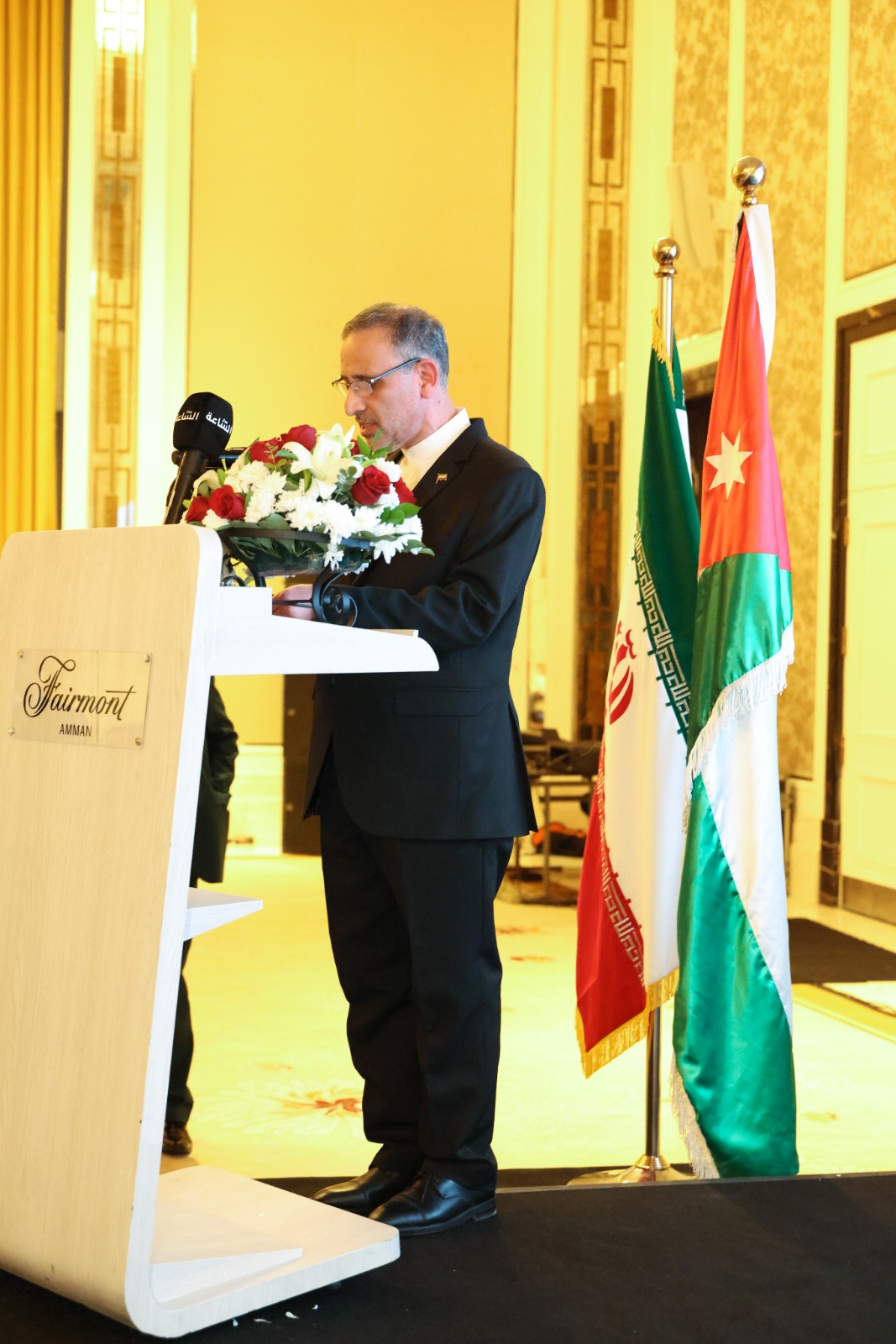
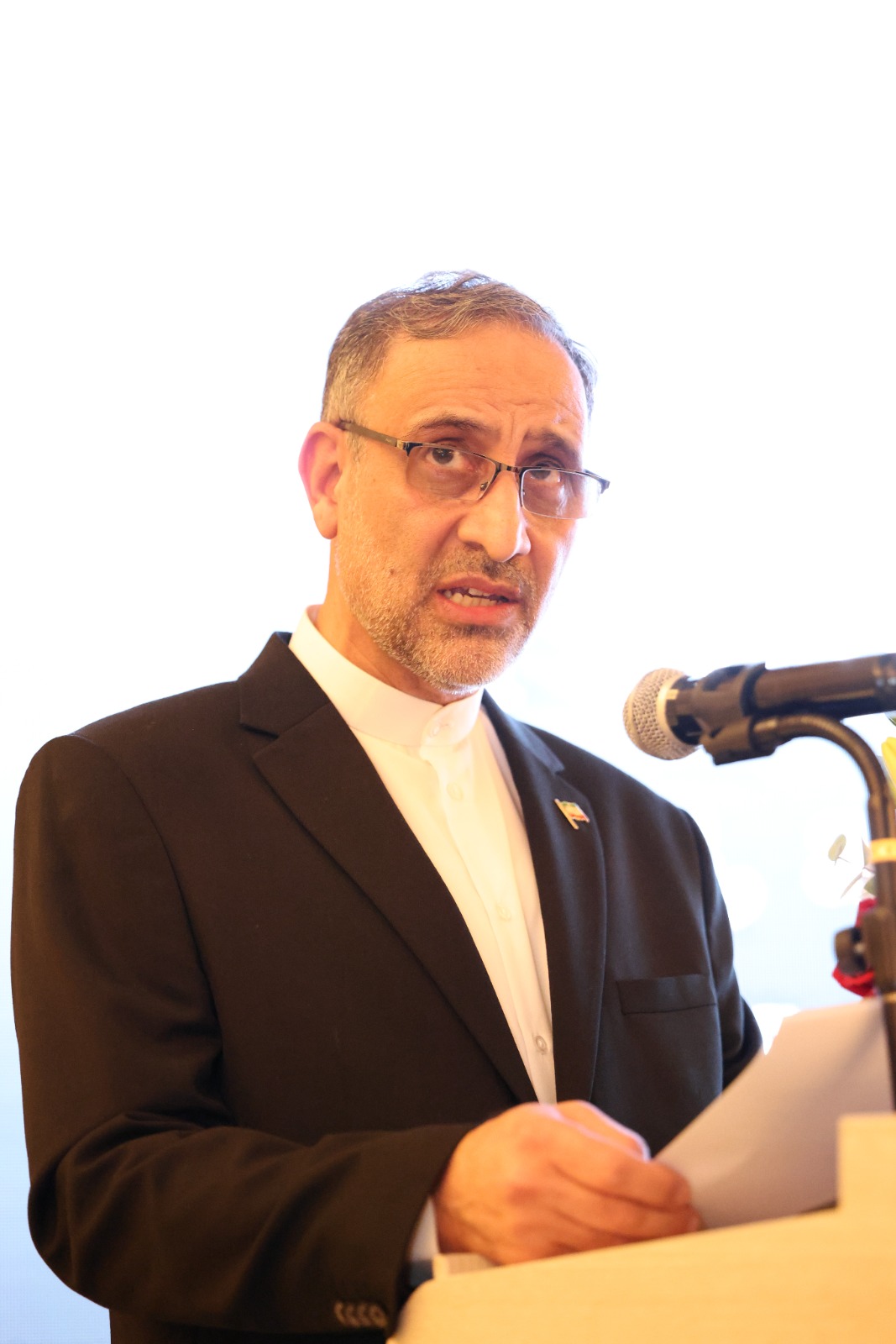
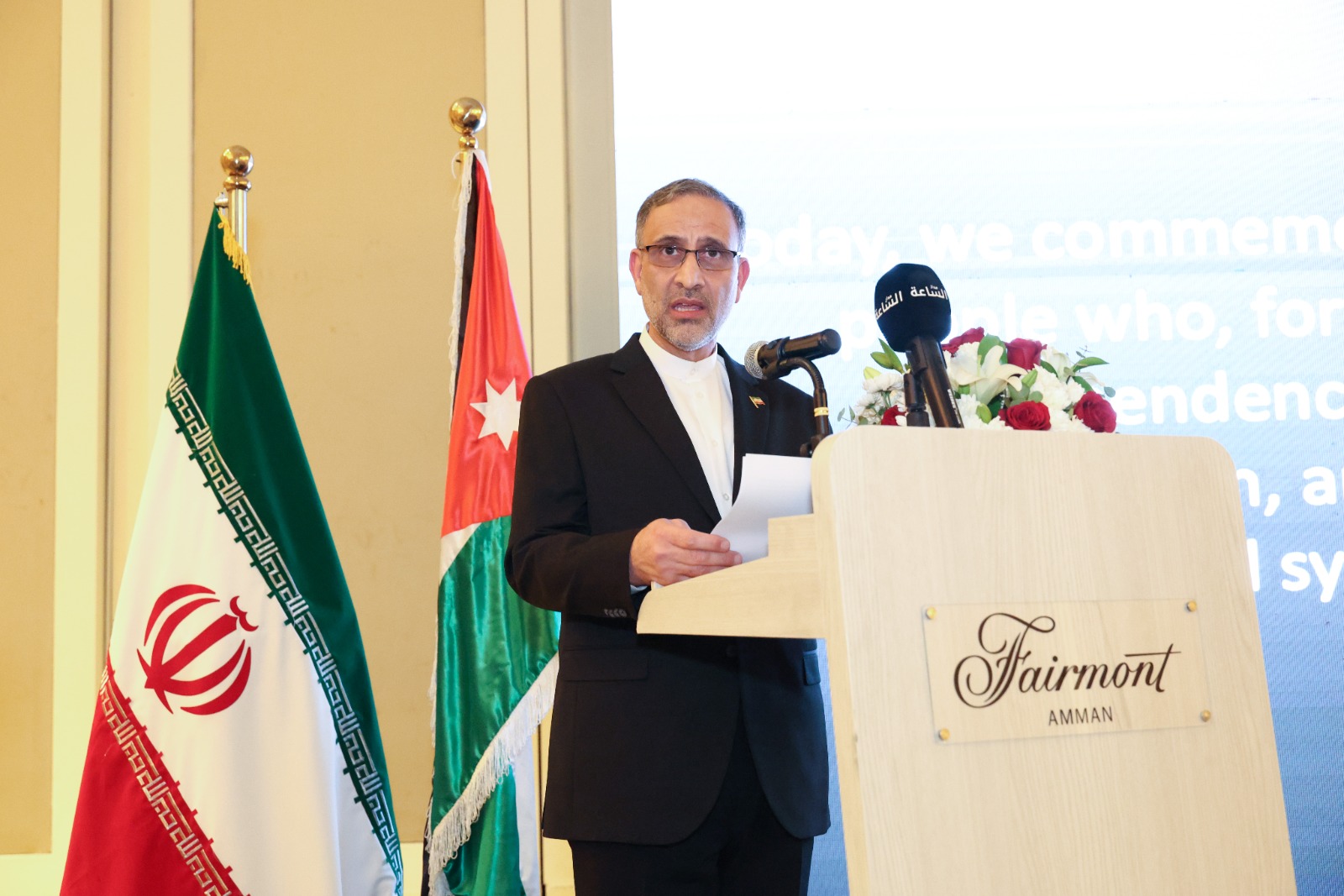
The Chargé d’Affaires of the Iranian Embassy, Mr. Davoud Kalantari, delivered a speech on the occasion, in which he reviewed the significance of this anniversary and its political and historical meanings for the Iranian people. He emphasized the importance of dialogue and cooperation among countries of the region in a manner that serves regional security and stability.
Kalantari praised Jordanian-Iranian relations, commending the level of ongoing diplomatic communication between the two countries, and affirming the Islamic Republic of Iran’s respect for Jordan and its pivotal role in the region. He also lauded the positions of His Majesty King Abdullah II ibn Al Hussein and his continuous efforts to enhance stability and to call for political and diplomatic solutions to regional crises.
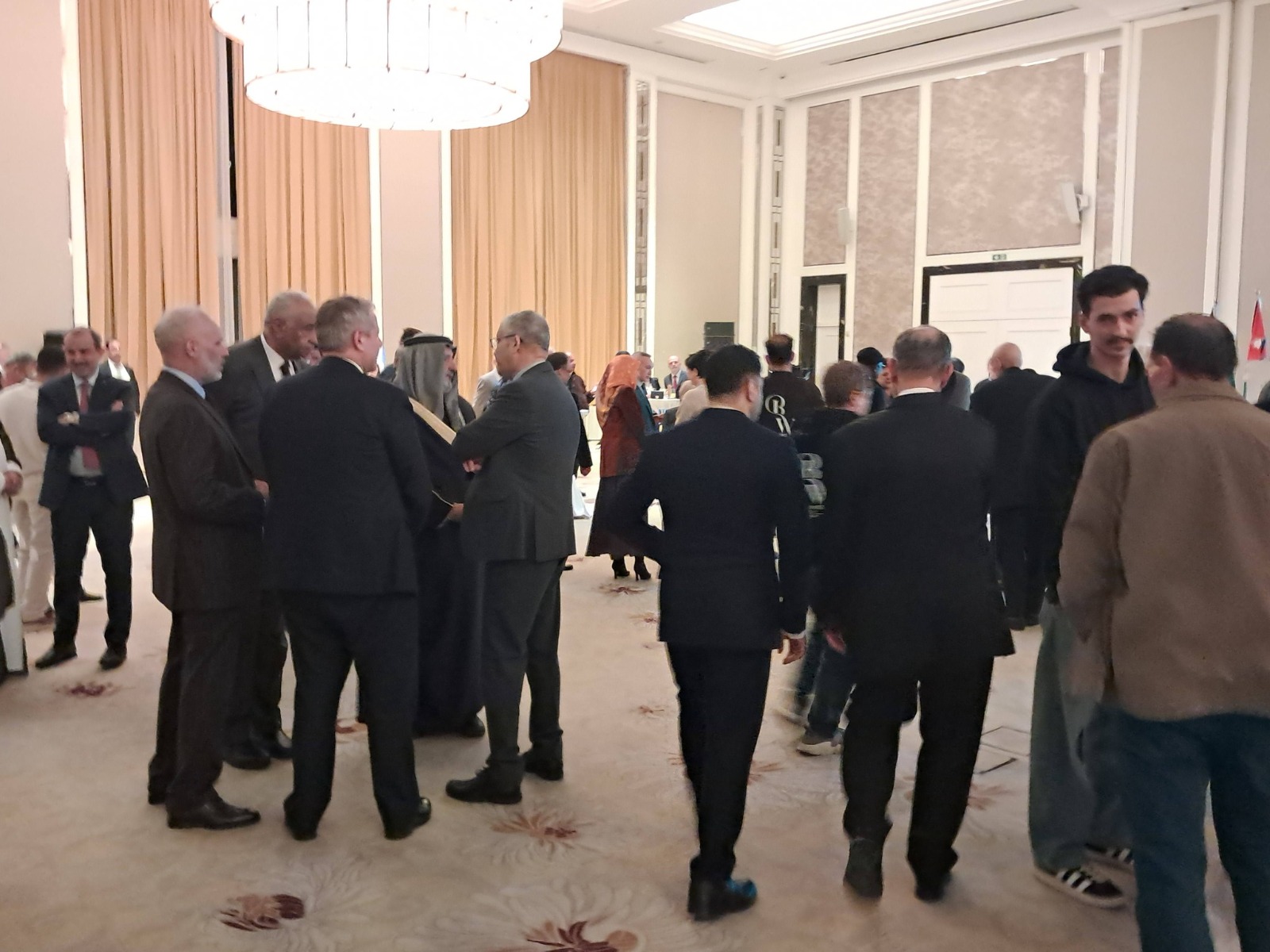
The reception provided an opportunity for dialogue and the exchange of views among attendees, in an atmosphere marked by mutual respect, reflecting the keenness of both sides to keep channels of communication open and to strengthen cooperative relations in a way that serves the shared interests of the two brotherly peoples.
This celebration comes within the framework of diplomatic events hosted by accredited embassies in Amman, underscoring the status of the Jordanian capital as a platform for dialogue and diplomatic engagement among countries from around the world.
Speech of His Excellency the Chargé d’Affaires, Mr. Davoud Kalantari
In the Name of God, the Most Merciful, the Most Compassionate
Your Excellencies,
Ladies and Gentlemen,
Distinguished Guests,
Peace be upon you and God’s mercy and blessings,
It is an honor to be with you today on the occasion of the 47th anniversary of the victory of the Islamic Revolution in Iran. I extend my sincere thanks and appreciation for the presence of Their Excellencies, officials of the host country, ambassadors and heads of diplomatic missions, political, cultural, academic, and economic figures, and all distinguished guests.
Today, we commemorate the victory of a people who, forty-seven years ago, rose up for independence, freedom, and their right to self-determination, and who, based on their collective will, chose a political system stemming from the will of the people. We mark this anniversary at a time when the Islamic Republic of Iran, despite external pressures, sanctions, and economic and social challenges, continues to adhere to the principles of independence and national sovereignty, stands firm against dictates, and moves forward on a path of progress and self-reliance.
Over the past five decades, despite regional and international complexities and transformations, the Islamic Republic of Iran has succeeded in achieving notable accomplishments across various fields, relying on its national capabilities, social cohesion, and the efficiency of its human resources. Iran has recorded remarkable growth in the fields of technology and knowledge production, with the expansion of innovation-based companies and advancement in modern technologies and the health sector. Today, Iran is among the twelve countries that possess a complete space technology cycle, and is actively engaged in designing satellites, launch platforms, ground stations, and space networks. It also holds an advanced global position in peaceful nuclear technology and has achieved significant progress in e-government and the widespread use of information technology.
In the economic sphere, despite sanctions, industrial production and non-oil exports have witnessed noticeable growth, making the economic structure more diversified and resilient. Iran ranks fourteenth globally in steel and aluminum production, eighth in cement production, fifth in ceramics manufacturing, twelfth in vehicle engine manufacturing, and eighteenth in the production of automobiles and copper.
Social services have also seen marked development, with expanded health coverage, as approximately 95 percent of specialized medicines are produced locally. Water, electricity, and telecommunications infrastructure networks have expanded, alongside progress in national housing projects.
Iran occupies an advanced position in heart, liver, and cornea transplantation, and has achieved outstanding successes in stem cell research, treatment of spinal cord injuries, genetics, and strategic pharmaceuticals. The country has reached approximately 90 percent self-sufficiency in food production, and more than 99.5 percent of households benefit from the national electricity grid.
In terms of foreign policy, the Islamic Republic of Iran has pursued a balanced approach based on active diplomacy and smart engagement, working to expand its relations with neighboring countries and emerging powers, while playing an active role in major regional and international organizations. Iran views itself as a responsible, independent, and influential actor at both the regional and international levels, and consistently supports dialogue, multilateralism, and cooperation to achieve peace, stability, and sustainable development.
In light of the sensitive phase the region is undergoing, the Islamic Republic of Iran affirms that the only way to prevent comprehensive instability is to move away from the logic of confrontation and toward dialogue, cooperation, and collective responsibility among the countries of the region. Any military action or adventurist behavior, including threats or aggression against Iran, will not bring security to any party, but could lead to uncontrollable consequences affecting the entire West Asia region.
In this context, the importance of the role played by countries that adopt political wisdom and responsible vision in preserving regional stability is growing. Over the past years, particularly during recent regional developments, the Hashemite Kingdom of Jordan, under the leadership of His Majesty King Abdullah II, has played an important, constructive, and effective role in containing tensions, supporting political solutions, and affirming regional security and stability. The Islamic Republic of Iran highly appreciates the Jordanian efforts that prioritize rationality, diplomacy, and humanitarian action over escalation policies.
Peace be upon you and God’s mercy and blessings.