
The Culture of Diplomatic Dialogue
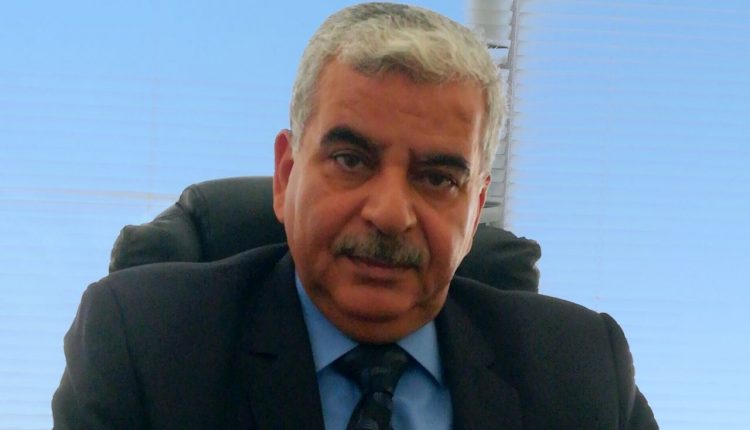
Mohieddin Ghunaim…
In a time when platforms are multiplying and voices are growing louder, the danger no longer lies in اختلاف الآراء (differences of opinion) as much as it lies in how those opinions are expressed. Dialogue, in its essence, is not an arena for settling scores, nor a platform for displaying emotions; it is a refined art by which the stature of nations is measured and their presence in the eyes of others is shaped.
Unfortunately, we are witnessing today a worrying decline in the culture of dialogue among some speakers, where discussion has shifted from an exchange of ideas into a torrent of shouting and a logic based on attack and personal insult rather than argument and persuasion. This approach does not reflect strength in presentation; rather, it reveals fragility in position and weakens the image of public discourse, which is supposed to reflect the awareness and maturity of society.
What is even more concerning is when some individuals who once held positions of responsibility appear in public practicing this tense style of discourse, unaware that words are no longer a personal matter, but a reflection of an entire school of thought. Jordanian diplomacy, long known for its wisdom and balance, cannot be reduced to a moment of anger or a tone of shouting, for its true strength lies in its calmness and its ability to manage اختلاف (disagreement) without losing its moral compass.
Shouting does not create truth, attacking does not build a position, and exclusion convinces no one. Rather, such methods open the door to intellectual chaos and give the impression that dialogue has lost its meaning and that logic has retreated in the face of noise. Here lies the responsibility—not only on those who speak, but also on those who listen and judge—because accepting this pattern of discourse means normalizing it instead of rejecting it as an exception.
Today, we are in urgent need of restoring the culture of diplomatic dialogue: a dialogue based on respect, grounded in argument, and one that acknowledges differences without turning them into hostility. A dialogue that understands that the strength of a state is not measured by the loudness of its voice, but by the depth of its ideas—not by the sharpness of its tone, but by its composure.
Preserving the diplomatic legacy is not solely the responsibility of institutions; it is the duty of everyone who speaks in the name of the الوطن (nation), or believes they represent it. Words are a trust, and dialogue is a responsibility. Those who have not mastered their art would be better served by silence than by misusing what they do not appreciate.
And the pressing question remains:
Do we want a dialogue that builds a nation, or shouting that destroys its image?
Writer from Jordan